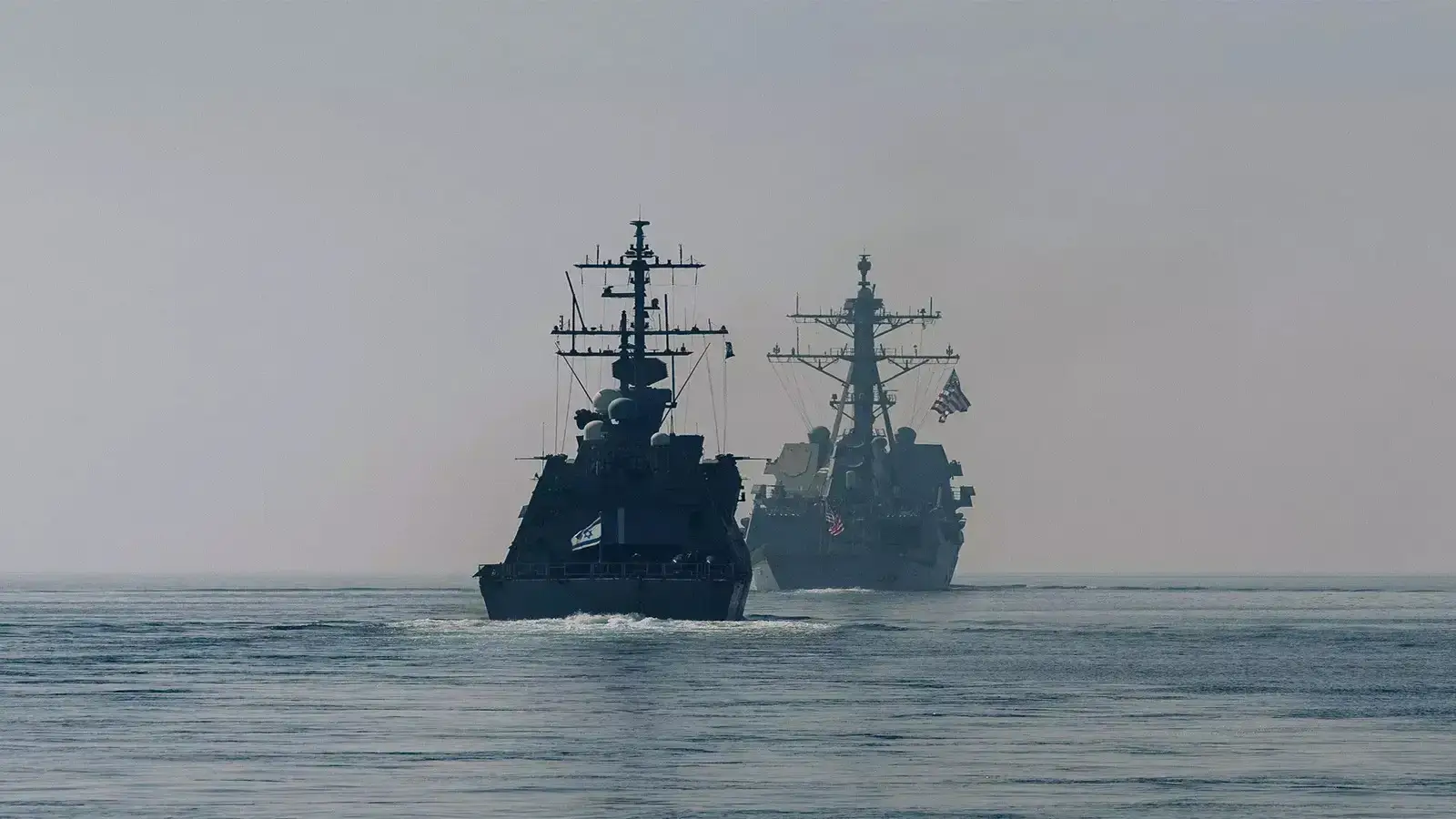
The U.S. military just said that a meeting in the Arabian Sea was very tense and will only make things worse between Washington and Tehran. The U.S. Central Command says that a Navy fighter jet from the USS Abraham Lincoln aircraft carrier shot down an Iranian drone that was getting too close. This happened on Tuesday, and it has happened before. At the same time, Iranian soldiers were bothering a U.S.-flagged cargo ship in the Strait of Hormuz. President Donald Trump is saying bad things about possible military actions while still pushing for talks about Iran's nuclear program. This could be what leads to more fighting or a meeting that people don't want to have.
The Drone Shootdown Details
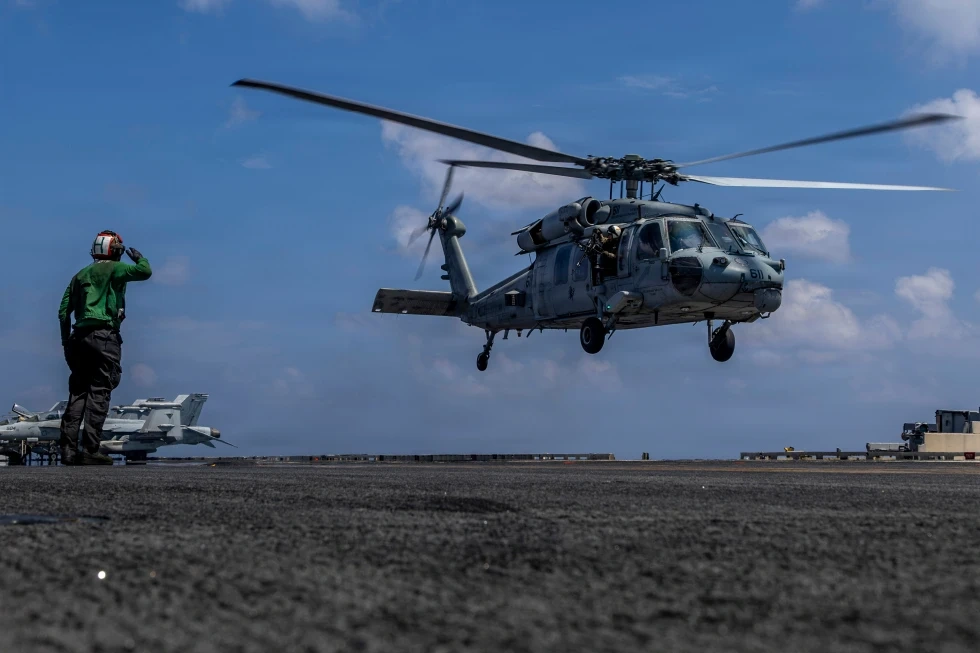
Let's start with what happened with the drone. According to Central Command spokesman Capt. Tim Hawkins, the Shahed-139 drone was "aggressively approaching" the Lincoln with "unclear intent." This happened while the carrier was sailing in international waters, about 500 miles from Iran's southern coast. The U.S. military probably tried to calm things down by warning the drone or moving it away, but it kept getting closer. At that point, an F-35C stealth fighter from the ship attacked and shot it down. No one was hurt and no American equipment was damaged. Iranian news outlets, on the other hand, said that their Revolutionary Guard is looking into a "interruption" of the drone's transmission. The semi-official Tasnim agency even bragged that it could send back pictures before it got dark.
Merchant Ship Harassment in Strait of Hormuz
Then there's the issue with the merchant ship. The Stena Imperative was a U.S.-flagged tanker with an American crew that was going through the Strait of Hormuz when two Iranian boats and a Mohajer drone sped in. Hawkins said they told him they would board and take it. The USS McFaul, a destroyer, rushed in with help from the Air Force to get the ship to safety. There was no boarding, but this is a common move by Iran to show off their power and slow down trade in this narrow canal that carries a fifth of the world's oil.
Timing Amid Heightened Regional Tensions
These things happening one after the other are not good timing. Since late December, Iran has been dealing with huge protests. At first, they were about the economy, but now they want the theocratic government to change. Reports say that the government's harsh crackdown has killed hundreds of people. Trump first said he would "rescue" Iranians from their dictators, but now he is putting pressure on Tehran to get rid of its nuclear weapons. Do you remember June? The U.S. hit three Iranian nuclear sites after a short fight with Israel. Trump said this "destroyed" their program. Since then, Iran has refused IAEA inspections, refined uranium to almost weapons grade, and not sent stockpiles out.
US Military Buildup in the Region
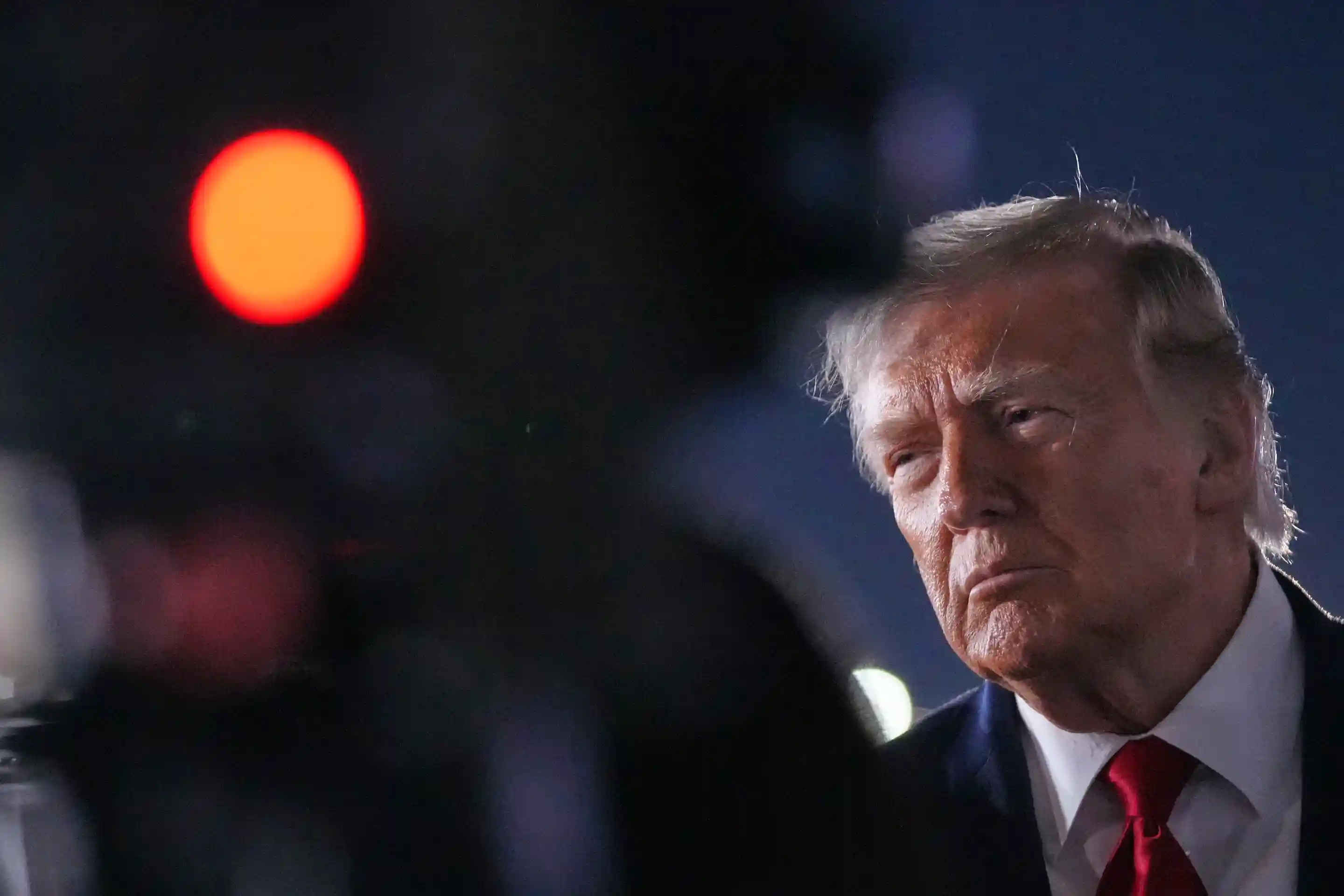
Trump has started sending more soldiers to the area. The Lincoln strike group joined destroyers, littoral combat ships, and air defenses last week. Cargo planes have been bringing in more gear, just like they did last year before the strikes. It's a way to show power and stop people from doing things. Trump told reporters that the U.S. is "negotiating with them right now," which could mean strikes if the talks don't work out. "I don't think they want that to happen again," he said.
Iran Signals Openness to Talks
Many people were surprised when Iranian President Masoud Pezeshkian told his foreign minister to have "fair and equitable negotiations" with the U.S. Ayatollah Ali Khamenei, the Supreme Leader of Iran, sent this message that they are willing to talk. Esmail Baghaei, a spokesman for the Foreign Ministry, said that talks are still going on and that details like where they will take place are being worked out. Both Turkey and Oman have said they would host. While U.S. envoy Steve Witkoff is in the area, Turkey has been quietly negotiating. A Turkish official said they don't know where the event will be, but they are ready to help.
Historical Context of US-Iran Friction
This back-and-forth has happened before. There have been problems between the U.S. The attacks in June slowed down Iran's program, but they didn't stop it completely. There are still worries, though. Protests have hurt the government from the inside, so talks could be a way to ease the economy, but hard-liners are against any "capitulation."
US Demands and Regional Stakes
The U.S. supports Hezbollah, Hamas, and the Houthis to stop Iran from getting nuclear weapons and gaining too much power in the area. Trump wants a deal that limits missiles, cuts down on proxies, and allows uranium to be sent out of the country. Israel is also involved and wants tough terms after its fight with Iran. Witkoff's meetings with Israeli leaders like Netanyahu make this even clearer.
Iran's Asymmetric Tactics at Sea
Iran's pattern of asymmetric responses, like taking ships and attacking mines in 2019, fits with the harassment of merchants. The Strait is a weak point; when there are problems, oil prices go up, which hurts the world's economy. The Stena incident is similar to the tanker seizures of 2019, which led to U.S. escorts.
Risks of Escalation and Military Posture
The Lincoln's presence keeps things from getting worse, but it also makes things worse. Iran has a lot of boats and missiles that can hit ships, so carriers are easy targets. The U.S. is ready to shoot down drones, but every time it does, the risks go up. This time, no one died, but what if next time?
Hope for Talks Amid Crisis
The talks might calm down. Pezeshkian's reformist ideas show that he is open to change, but Khamenei is the one who makes the final decision. It makes sense to use places like Turkey (neutral) or Oman (calm mediator). To be successful, both sides need to give a little. For instance, the U.S. should lift its sanctions on Iran in exchange for Iran agreeing to limits on its nuclear program.
Broader Implications for the Region
In the area, friends like Saudi Arabia and the UAE are wary of Iran. Trump's supporters like how tough he is at home, but the public might not want to see another war in the Middle East.
Historical Parallels and Potential Outcomes
In other words, these things are like proxy wars during the Cold War or the Gulf War. Because of protests and sanctions, Iran's economy is failing, so talks are moving forward. The "art of the deal" method that Trump uses mixes threats with offers to talk. More strikes if talks don't work? Or a deal that is bigger than the JCPOA from 2015?
It's a real threat for sailors on the Lincoln or traders in the strait. The drone was probably just for spying, but "unclear intent" means that the rules of engagement allow for a response.
In short, this Arabian Sea drama could end in war or peace. The next few days are very important because Witkoff is moving around and troops are gathering.
Previous article
Trump Washington Arch Plan: Fact Check of 200-Year Claim

Marcus Johnson
Marcus Johnson is a political analyst and investigative journalist specializing in U.S. politics, Congressional affairs, and electoral campaigns. With a background in political science from Georgetown University, he offers in-depth coverage of Washington's power dynamics and policy debates.