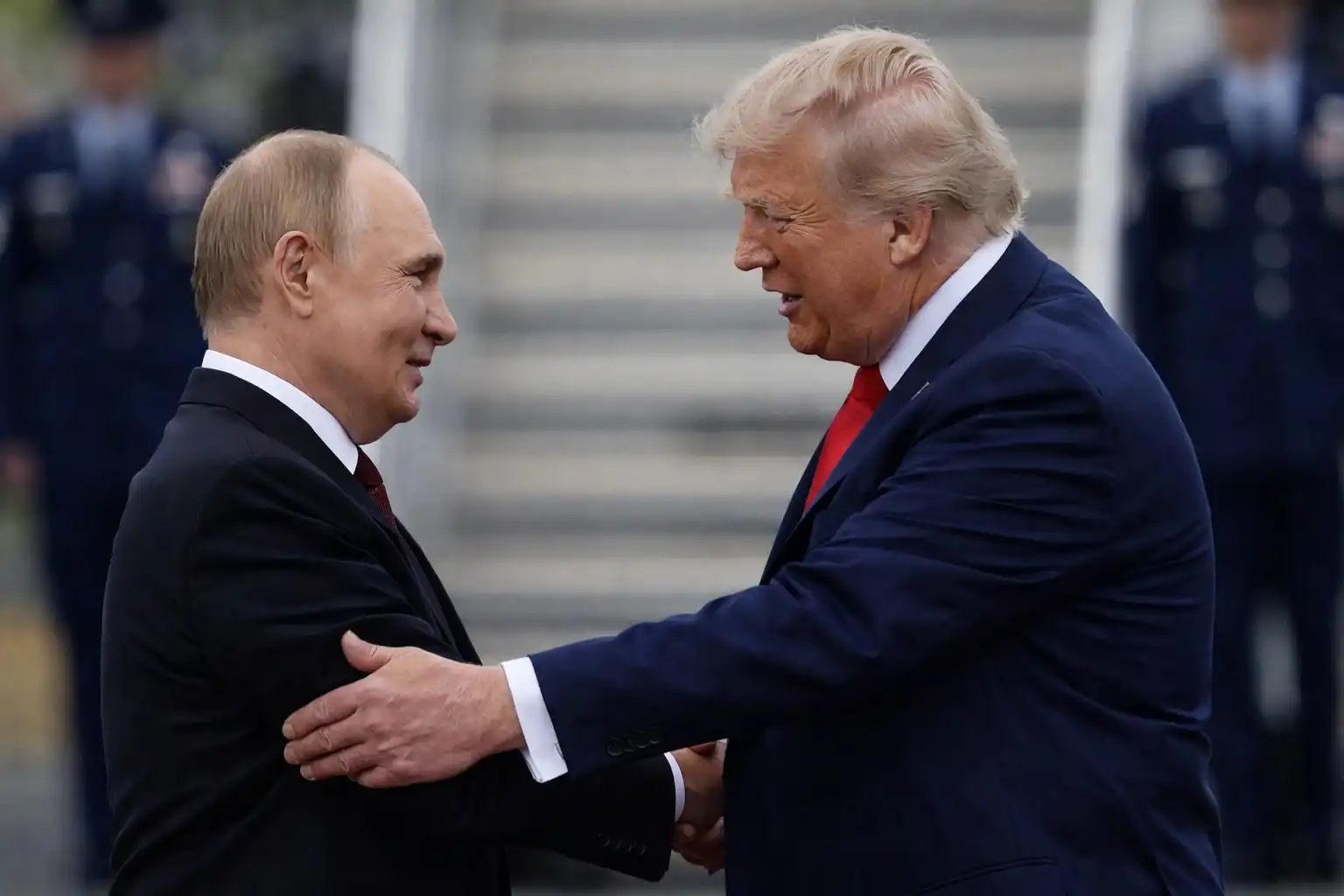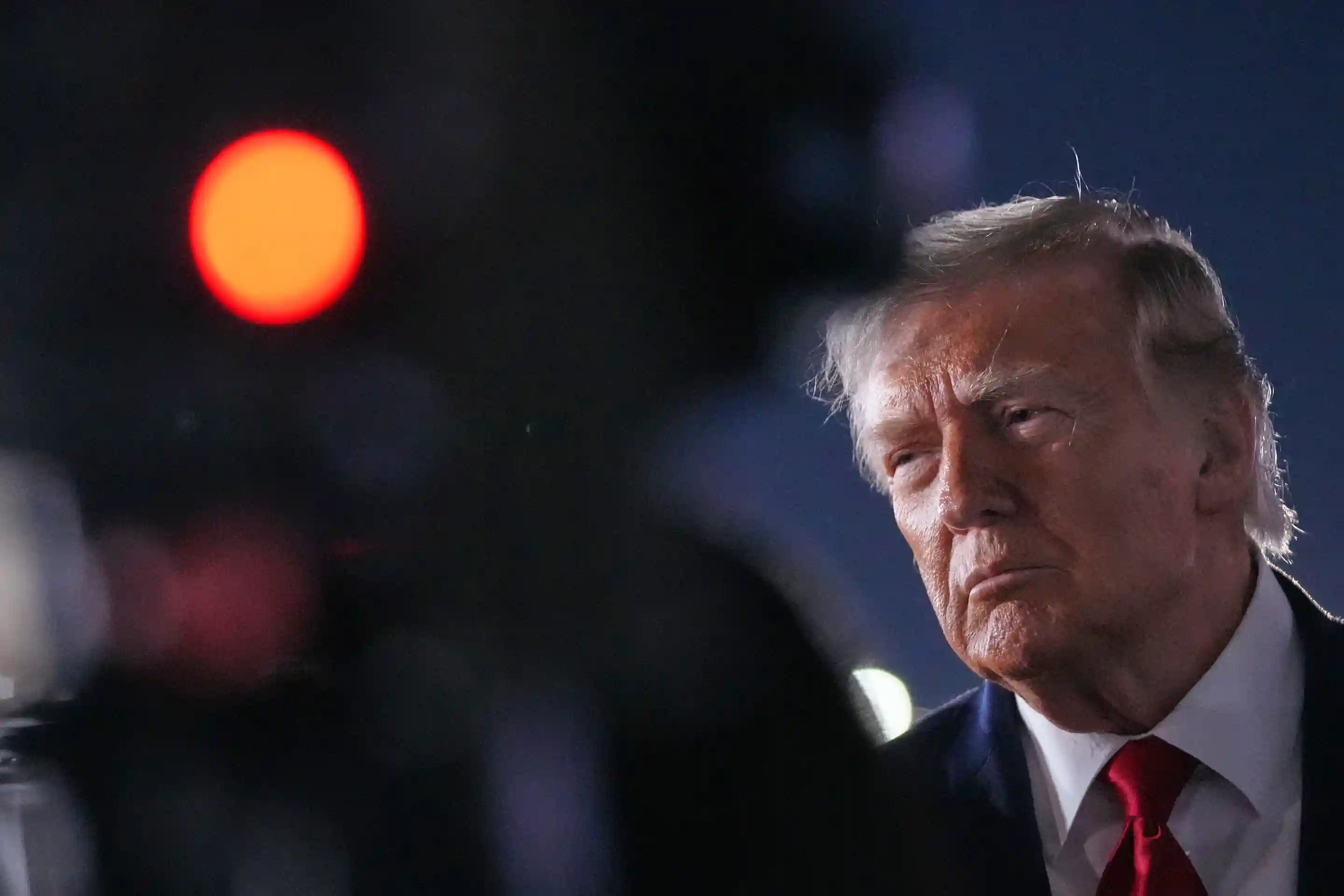
President Donald Trump said Monday night that two U.S. Army pilots walked away without a scratch after their helicopter crashed near the Strait of Hormuz. That narrow stretch of water is one of the most sensitive spots on the planet right now. The crash happened less than a day after Iran and Israel traded heavy fire — an exchange that a lot of people fear might wreck the already shaky ceasefire.
Trump talked to reporters at JFK Airport in New York after catching the NBA Finals. He didn't go into many details but gave the bottom line fast. "The pilots are fine. Yeah," Trump said. "Nobody injured. We are going to issue a report tomorrow. But the pilots are fine." That put an end to a few hours of uncertainty after word of the crash first got out.
The helicopter was an Apache attack chopper. The military leans on these heavily in that part of the world. The New York Times was first to report it went down near the strait, but nobody has explained how or why yet. The U.S. military's Central Command and the Defense Department didn't answer requests for comment from the Associated Press right away.
Apaches have been everywhere during this conflict. They're helping enforce a U.S.-led blockade meant to stop Iranian oil from moving. The idea is to squeeze Tehran until they agree to a deal that limits their military reach and opens the strait back up for normal shipping. The United Arab Emirates has also used Apaches to take down Iranian drones during the war.
By Tuesday morning in the Middle East, there was still no official word on what caused the crash. Iranian state media mentioned it briefly, citing foreign reports, but didn't add anything new. Investigators will likely look into mechanical trouble, pilot error, or maybe enemy fire — but so far, nobody has stepped forward to claim they did it.
Even with the crash news, Trump went right back to something he talks about all the time: a deal with Iran. "We have a good chance," he said, adding that an agreement could come in "two or three days." He didn't give any real evidence for why he's so sure, but he insisted things are moving.
Trump has been saying a deal is close ever since the U.S. and Iran agreed to a temporary ceasefire back in April. "We're very close to having a very, very good, strong, powerful deal," the president said. Then he added a warning that sounded like classic Trump: "If we go and bomb — which we could do very easily if we want, and we spend another two or three weeks bombing — they'll have nothing left whatsoever. But you won't have the strait open for months."
That sums up the tightrope the administration is walking. They want a deal to end the war and get oil moving again. But if Iran doesn't bend, bombing is still very much on the table.
For weeks now, mediators — mostly from Pakistan — have been trying to get both sides to agree on something. But the gap is still huge. The U.S. wants Iran to hand over its stockpile of highly enriched uranium. Most of that is believed to be buried underground still, left over from American airstrikes during the short but brutal 12-day war back in 2025.
Iran won't give up its nuclear material unless it gets serious relief from sanctions. They also want their frozen assets released before any final deal is signed. Trump has already said no to that. The war started when the U.S. and Israel began hitting Iran on February 28. Since then, the global economy has taken a beating, energy prices have shot up, and even basic stuff like food costs more now.
Things aren't stable anywhere in the region right now. On Tuesday, the Israeli military told people to leave Lebanon's southern port city of Tyre — including the Christian quarter, which had mostly been left alone until this point. Last week, Israel said they believed Hezbollah fighters were hiding in those Christian neighborhoods.
A lot of Lebanese Shiite Muslims had fled into those same areas over the past couple of weeks as Israeli strikes pounded the Mediterranean coast. The Lebanese army tried to step in after last week's warning. They deployed troops to Tyre's Christian district to try to prevent an Israeli attack and to prove Hezbollah wasn't there with weapons.
It might not matter. Avichay Adraee, the Israeli military's Arabic-language spokesman, posted on X Monday that his forces "will have to act against their terrorist activities in the neighborhood soon." People in Tyre are just waiting now, not sure what comes next.
Officials haven't been able to turn the April ceasefire into a lasting deal. And it's getting worse because Israel is doubling down on its campaign in Lebanon against Hezbollah, the Iranian-backed militia. The war has already messed up the whole region — missile strikes, shipping problems, countries pulling in more troops, you name it.
The economic damage has been brutal. Energy markets are all over the place, and the cost of living has gone up even in countries nowhere near the fighting. Oil traders, shipping companies, and governments everywhere are watching every little move. What happens with these negotiations could change inflation, fuel prices, and global growth for the rest of the year.
For now, at least, the two American pilots are safe. A full report on the crash should come out soon. But in a region this tense, one downed helicopter is just a small piece of a much bigger, scarier puzzle.
Previous article
Marco Rubio Says Iran Deal Could Still Be Reached Within Days
Next article
No next article

Sarah Mitchell
Sarah Mitchell is an award-winning international correspondent with over 15 years of experience covering global affairs, diplomatic relations, and international conflicts. Based in Washington D.C., she has reported from over 40 countries and provides expert analysis on foreign policy and geopolitical developments.