Thousands of Louisville drivers woke up to a new reality as the closure of Interstate 65 through downtown officially began. Transportation officials had warned of delays and congestion. The concerns were real. The question was how severe the disruption would be.
On the first day, commuters quickly adjusted. Many left home earlier than usual. Some people used navigation apps to find alternative routes that would be quicker. Drivers trying to avoid the construction area caused higher levels of traffic to surface streets and nearby highways. Neighborhoods near official detours were affected almost immediately. Streets designed for local traffic were experiencing a steady flow of commuters. The increased congestion was noticeable and traffic was slower than usual all day. Some locations were experiencing conditions normally seen only during major events or emergencies.
Even with concern prior to the shutdown, traffic conditions were manageable. Delays were seen on many roadways but the gridlock feared by many never materialized. Transportation agencies monitored conditions closely and continued urging drivers to remain patient as the city adapts to the new traffic pattern.
The closure is part of a major infrastructure project expected to continue for months. Officials believe the work will deliver long-term transportation benefits. In the short term, Louisville drivers are being asked to accept a very different commute.
Louisville's Notorious 'Can Opener' Bridge Strikes Again
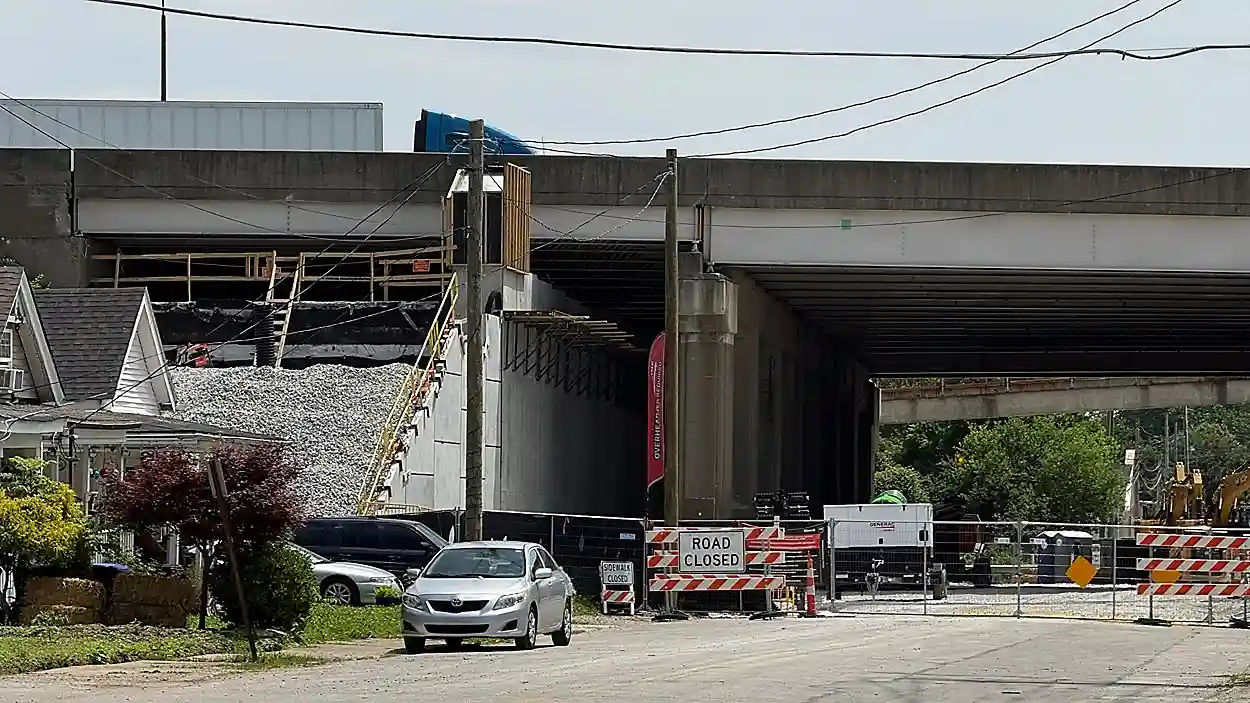
The interstate closure was not the only transportation story drawing attention. Louisville's infamous '3rd Street Can Opener' bridge wasted little time reminding drivers of its reputation. The low-clearance railroad bridge reportedly damaged multiple trucks on the very first day of the I-65 shutdown.
The bridge has become a local landmark for all the wrong reasons. Over the years, countless overheight trucks have ignored warning signs and collided with the structure. The incidents have become so common that the bridge earned a nickname recognized throughout the city.
With traffic being rerouted across unfamiliar roads, transportation observers feared more drivers could find themselves navigating routes they rarely use. Those concerns appeared justified. Reports indicated that several trucks struck the bridge shortly after the interstate closure began. The incidents highlighted one of the hidden consequences of major road projects. Drivers forced onto alternate routes often encounter hazards and restrictions they do not normally face.
The collisions quickly generated discussion on social media, where local residents expressed little surprise. Many have watched similar crashes unfold repeatedly over the years. Officials continue urging commercial drivers to follow posted clearance warnings and remain on approved truck routes. The first-day incidents served as an early reminder that detours can create unexpected challenges beyond simple traffic delays.
Neighborhood Streets Absorb Overflow Traffic
The effects of the interstate shutdown extended well beyond downtown Louisville. Traffic volumes in neighborhoods bordering detour corridors increased dramatically throughout the day. Commuters looking for alternate routes around the closure reported longer waits at intersections, increased volumes of vehicles and higher noise levels.
Traffic volumes on local roads were well above normal levels. Businesses adjusting to changes in travel conditions were also more frequently observed in residential areas with commercial and delivery trucks. Residents raised concerns about pedestrian safety and the long-term impact on streets not designed to support sustained high-volume traffic. The concerns were expected. Transportation planners had predicted that some neighborhoods would experience growing pains during the early stages of the closure.
Officials said the first few days would serve as a learning period. Drivers are expected to experiment with different routes before settling into more predictable travel patterns. The impact on local businesses has been mixed. Some businesses saw increased visibility and foot traffic because of the larger number of vehicles. Others worried congestion could keep customers from visiting their locations. City leaders acknowledged that disruptions are unavoidable during major infrastructure projects. They encouraged residents to report traffic concerns and safety issues so adjustments can be considered where necessary.
Officials Ask Drivers for Patience During Long Construction Period
Transportation officials spent much of the day delivering a simple message: plan ahead and stay flexible. The I-65 closure is part of a broader infrastructure improvement effort aimed at upgrading one of the region's most important transportation corridors. Officials argue the temporary inconvenience will ultimately produce safer roads, improved driving conditions and a longer-lasting transportation network.
Motorists are being advised to plan for longer journeys, monitor traffic conditions and possibly alter travel times to steer clear of the worst delays. GPS systems and live traffic information will play a key role in assisting travelers to adjust. The first day also provided transportation planners with valuable data. Engineers monitored traffic flow, studied bottlenecks and evaluated the effectiveness of detour routes across the city. Information gathered during this early phase could lead to adjustments designed to improve traffic conditions in the weeks ahead.
Some delays are likely to persist. That reality is difficult to avoid when a major interstate corridor shuts down. Officials remain optimistic that conditions will improve as drivers become more familiar with alternate routes. The opening day of the closure offered an early glimpse of what lies ahead. It exposed the challenges facing commuters, businesses and neighborhoods. It also demonstrated the flexibility of a transportation network suddenly forced to operate under entirely new conditions.
Previous article
TSA to Charge $45 for Non-REAL ID Flyers
Next article
No next article

David Rodriguez
David Rodriguez is a travel journalist and photographer who has explored all 50 states and over 60 countries. He specializes in adventure travel, cultural experiences, and sustainable tourism, offering readers insider tips and compelling destination stories.