The most recent data from the Commerce Department shows that retail sales in December were unchanged from November, marking a weak holiday finish for retailers. Consumer spending at the end of the year was disappointing. This happened because American shoppers were spending less. Most experts were shocked by this because they thought there would be at least a small rise of about 0.4% during the important holiday month. The report, which was finally released on Tuesday after being delayed for 43 days because of the long government shutdown, said that consumer spending at the end of the year was very disappointing.
Recent Trends in Retail Spending
The growth in December was flat, but the growth in November was a good 0.6%. If you look back even further, September went up only 0.1%, and October went down 0.1% (or maybe even 0.2% after some changes). The summer months were stronger, with increases of 0.6% in July and August and 1% in June. These numbers only show how much people are spending, not what they are actually getting for their money, because inflation is not taken into account.
Category Breakdown and Bright Spots
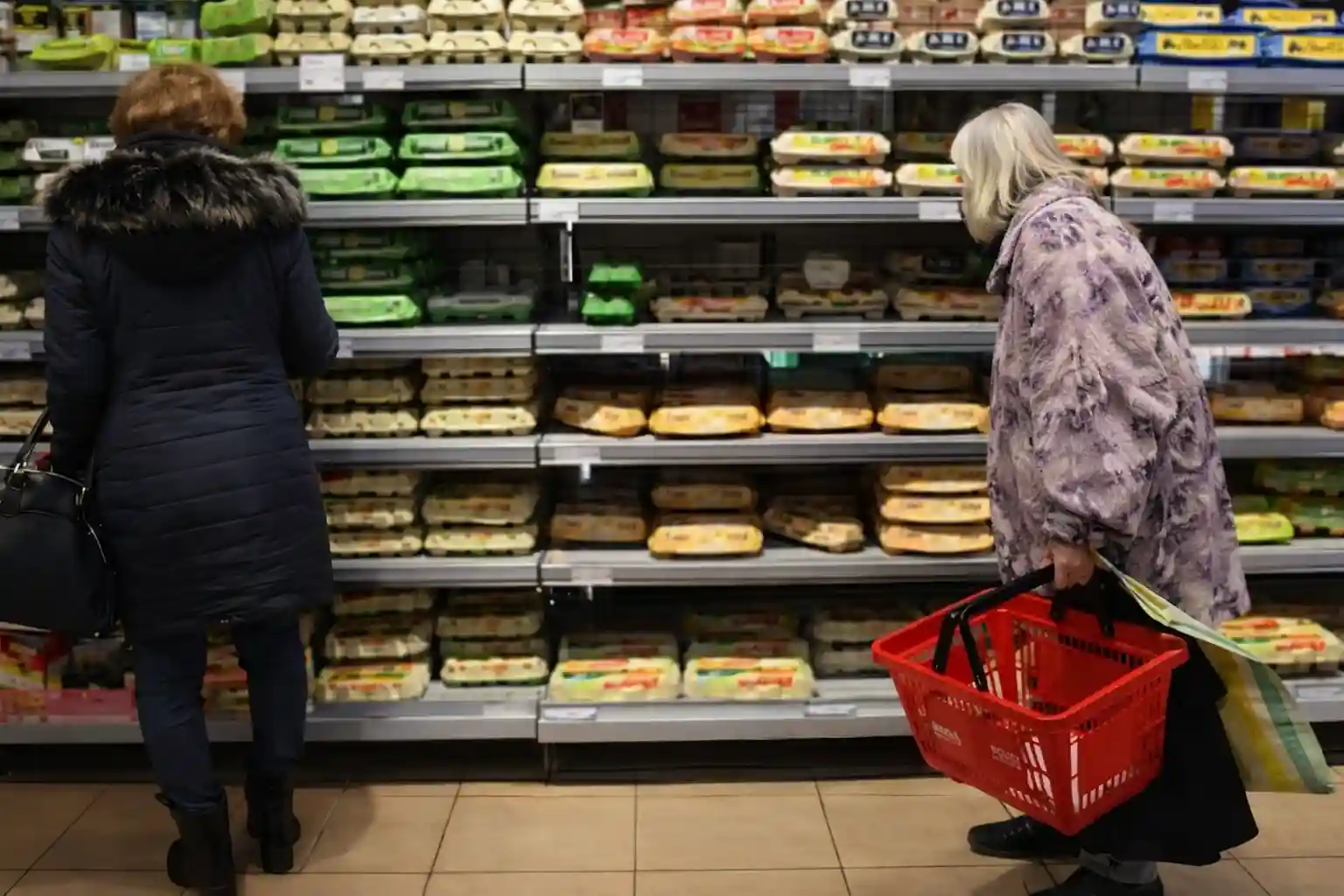
When broken down by category, many stores saw a drop in sales. Stores that sell electronics, appliances, furniture, and other home goods saw big drops in sales. This is because people often buy more than one item at a time. Clothing stores and a few other businesses also felt the pinch. On the bright side, companies that sell gardening and building supplies saw a lot of growth. People either had to do things because of the weather or because they were working on their homes. There were small rises at gas stations and places that sell food and drinks. In fact, the only type of service that was looked at—restaurants—saw a 0.1% drop.
Retail sales only give a partial picture of consumer spending because they only look at goods and leave out important things like travel, health care, and other services. But since consumer spending makes up more than 70% of the US economy, it's an important sign.
Reasons Behind the Slowdown
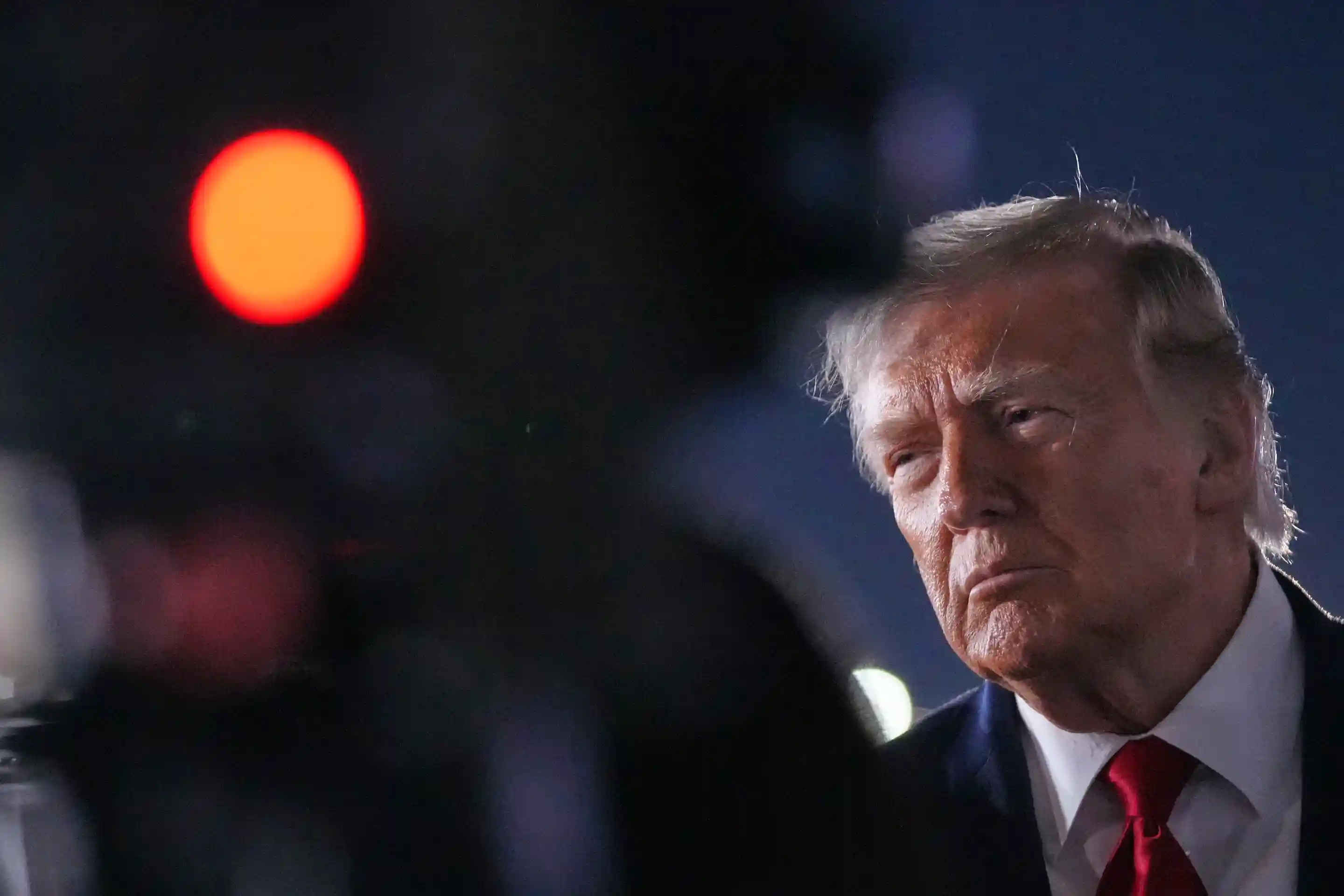
Why is it taking so long? In January, consumer confidence hit its lowest point since 2014 after falling for a few months. A lot of people are worried about losing their jobs, the rising cost of everyday items, and President Trump's tariff ideas, which could make imported goods more expensive. This flat December makes it more likely that this strength is fading, even though surveys show that people are still able to buy things.
Chris Zaccarelli, the chief investment officer at Northlight Asset Management, says that consumer spending has caught up with the negative mood, but not in a good way. People have been complaining about how much things cost for a long time, but they still bought them. Until now. He thinks this is the end of the never-ending spending spree, at least for now.
Outlook and Upcoming Data
Thomas Ryan of Capital Economics called the report "alarming," but he also warned. He thinks that things might get better later in the first quarter when tax refund checks are bigger. The consumer price index will probably go down on Friday. The jobs data for January came out on Wednesday. Economists are still keeping a close eye on the numbers. They expect about 80,000 new jobs, which is a lot less than the 400,000 jobs that were created every month during the post-COVID boom, but it's better than the 50,000 jobs that were created in December. The Federal Reserve might be able to lower interest rates more this year if inflation keeps going down.
Right now, the whole economy seems strange. The third quarter of last year saw the fastest GDP growth in two years. But the job market has really slowed down. This is a big drop compared to the hiring boom that happened from 2021 to 2023.
Retailers Feeling the Pressure
Retailers are also feeling the mixed signals. Some stores, like Walmart, keep getting customers from their competitors because their prices are so low. There have been a lot of bankruptcies and store closings in this field. The owner of Eddie Bauer recently filed for Chapter 11 protection because sales were falling and there were other problems with the company. Saks Fifth Avenue's parent company went bankrupt because the luxury market is so competitive and they needed to pay off the debt from buying Neiman Marcus. Amazon even said it would close almost all of its Amazon Go and Amazon Fresh stores so it could focus on delivery and Whole Foods.
In the next few months, we'll know for sure if this is just a short break or the start of something bigger. This is especially true if Washington's policies or important economic data change.
Previous article
Bitcoin Crashes Below $61K Amid Crypto Sell-Off

Jennifer Chen
Jennifer Chen is a senior business correspondent covering Wall Street, corporate America, and economic trends. A former financial analyst, she brings insider expertise to stories about markets, mergers, startups, and the intersection of business and technology.