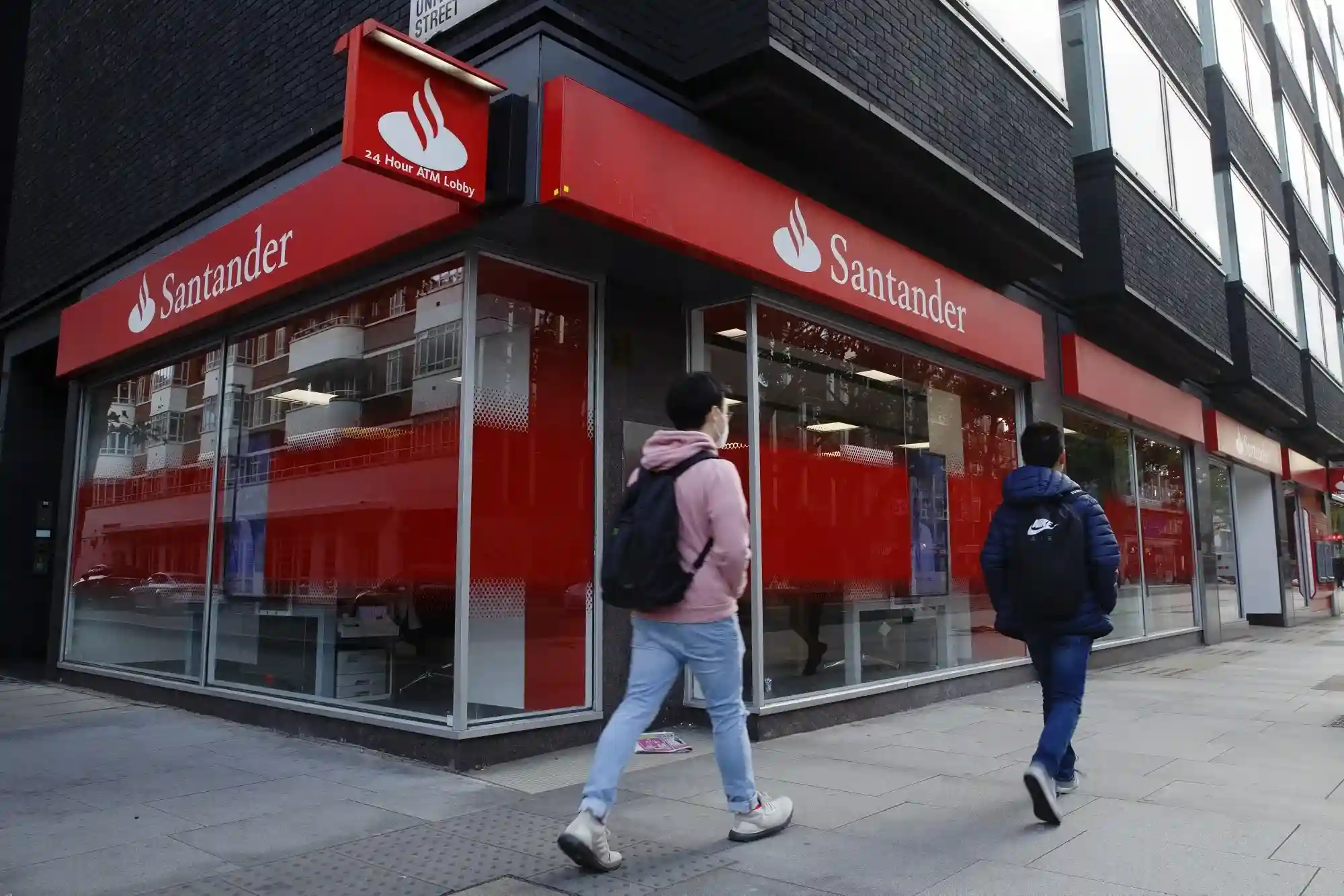
This week, Spanish banking behemoth Santander made headlines when it said it would buy Webster Financial, a U.S.-based company, for $12.2 billion. Investors are excited but perhaps a little worried about the merger. Santander's stock fell, losing as much as 5% on Wednesday morning before settling down about 3.7% by mid-morning in Europe. When huge M&A news comes out, people usually get excited but also worried about how it will affect the company's strategy and the dangers involved. Ana Botin, the chairman, defended the move by stating that to really be a player on the global stage, you can't skip over the world's biggest economy. She has been adamant in keeping Santander's foot in the U.S. door even though it hasn't made much money there in years. "To be a global player, you have to be in the United States," she told analysts on a teleconference. In the financial world, where size and diversity are important for getting through tough times, this notion hits home.
European Banks Eyeing US Growth
European banks are more interested in U.S. operations as profitable as its European or Latin American ones. Barclays analysts are hopeful that the combination will raise Santander's U.S. return on tangible equity (ROTE), a key measure of profitability, from 10.8% now to almost 18% by 2028. ROTE shows how successfully a bank uses its equity to make money, not including things like goodwill. If Santander's American business hits 18%, it will be in line with the best.
Investor Concerns Over Strategic Shift
But not everyone is celebrating. Some investors are confused by what seems to be a shift from Santander's earlier plans to focus on organic growth (growing from within) and returning capital to shareholders through buybacks. Botin tried to calm their fears by saying that there will be no additional "bolt-on" purchases for the next three years. That's banker talk for smaller add-on agreements; the Webster buy is more like a big expansion. Still, the market's first reaction was negative because some are worried that merging Webster could be difficult, especially since there are cultural differences between a Spanish multinational and a U.S. regional company. Last year, Santander's shares rose 125%, so a retreat isn't surprising, but it shows how sensitive investors are to any hint of overreach.
Deal Structure and Premium Offered
The offer is made up of both cash and stock. For every Webster share, you get $48.75 in cash and 2.0548 Santander shares, which are worth $75 each. That's 14% more than Webster's previous average price of $65.75, which is why Webster's shares rose 9% to $71.95 on Tuesday. For Santander, it involves issuing new shares worth around 3.5 billion euros, which will make the shares that current holders own less valuable. Jefferies analysts say that the capital hit, which is about 140 basis points on Santander's core equity tier 1 ratio, is "manageable," which means it won't hurt the bank's financial health too much. Santander started a 5 billion euro repurchase program on Wednesday to make things better for shareholders. This was done to make up for part of the dilution and show that the company is confident about the future.
In addition to that, the U.S. unit is already planning to reduce $200 million on its own. Morgan Stanley calls this aggressive because it makes up 55% of Webster's costs or 19% of the merged business. They also warn that it could lead to lost income if clients don't like the adjustments. Think about how services might be interrupted or relationships might be lost during integration. But Jefferies thinks it's normal, like other bank mergers in the past. In banking, synergies are the holy grail: gaining more for your money by getting rid of duplication. But they can also come with problems like more government oversight or worse staff morale.
Why Focus on the US Market?
Why the concentration on the U.S.? Santander has been in the US since the late 1990s, mostly through its Santander Consumer USA branch for auto loans and Sovereign Bank (now Santander Bank) for retail. But profits have been slow to come in: U.S. ROTE has stayed in the low teens, while group-wide it's higher. Botin thinks that being bigger will remedy that by making economies of scale in a market where bigger companies like JPMorgan and Bank of America are in charge. There are thousands of regional banks in the U.S., which makes it easy to gain ground quickly through acquisitions. Also, lending margins are better because U.S. rates are higher than European rates. But there are a lot of hazards, such regulatory problems from the Fed or CFPB, problems with cultural assimilation, and possible antitrust issues if it appears like too much concentration.
Market and Analyst Reactions
People who observe the market are divided. The first dip in shares demonstrates that people are nervous in the short term, but many expect upside in the long term. Barclays points out the ROTE gain, which suggests that the transaction speeds up Santander's turnaround in the U.S. Even while there are worries about inflation and instability during an election year, it's a statement of confidence in the American economy. For Webster shareholders, it's a nice windfall; the extra money shows how much Santander wants to buy the company.
Impact on Employees and Operations
It's not clear for employees. Mergers can lead to layoffs and overlaps. There may be adjustments for Webster's 4,000 employees. People know that Santander pushes for efficiency.
Investor Takeaways and Future Outlook
What investors need to know: The deal makes sense from a business point of view, but how it is carried out is what matters. Botin has a good track record of getting through Brexit and pandemics, but the U.S. market is quite competitive. Shares could go back up if synergy work out. The buyback also helps, as it shows a commitment to returns.
Deals like this change the way things work in banking. Santander's effort shows that they believe in U.S. growth, but with tariffs coming (Trump has talked about bringing them back), cross-border deals are getting harder. Expected around mid-2026, keep an eye out for regulatory nods.
In general, Santander is putting a lot of money on the United States. Shares went down, but if Botin is right, it will pay off. Investors, get ready for updates on integration.
Why European Banks Target US Assets
To go further, let's talk about why European banks like U.S. expansions. The standards here are less strict than the Basel rules in Europe, which lets people use more leverage. People in the U.S. borrow more money, including for credit cards and cars, which raises fees. Webster's focus on business fits well with Santander's focus on consumers, making the bank a better place to get services.
Key Risks and Competitive Landscape
Risks: A collision of cultures—Spanish hierarchy vs. U.S. independence. Integration tech problems happen a lot during mergers. If the economy soft-lands, fantastic. If it goes into a recession, what? A lot of loans go bad.
Competitors are watching: BBVA's comparable push in the U.S. Consolidation wave signals.
Santander's Legacy and Strategic Vision
History of Santander: It started in 1857 and grew by buying other companies. The Botin family has run it for generations; Ana is the fourth. Her goal: to be one of the top ten banks in the world.
Deal parameters are solid: the premium is fair, and the synergies are high but possible. The capital increase is tiny compared to the 200B euro market cap.
Stock context: Last year, the stock went up 125% because higher interest rates made margins bigger. Temporary dip?
Future: If this works, will there be more deals after three years? Botin says no, yet chances come up.
In short, Santander's Webster grab is a smart move, and the benefits exceed the risks provided it is done well. The market's initial doubts may go away when more information comes to light.

Jennifer Chen
Jennifer Chen is a senior business correspondent covering Wall Street, corporate America, and economic trends. A former financial analyst, she brings insider expertise to stories about markets, mergers, startups, and the intersection of business and technology.