A lot of small business owners are very upset about a big announcement that the Small Business Administration just made. People with green cards who have been living and working legally in the U.S. for years will no longer be able to apply for any SBA-backed loans starting on March 1. That's right: you can't get those loans from the government anymore that help small businesses start up, grow, or just stay open when things are tough.
This is what the SBA said in an official policy letter. It's not a rumor or a letter that got out; it's what the agency said. The Trump administration is trying to make sure that only certain people can use these programs as part of a larger effort.
The SBA doesn't usually give out money directly, but they do in cases of natural disasters like hurricanes or wildfires. Instead, it works with banks and other lenders to guarantee loans, which makes it much easier and cheaper to get than regular business loans. That's what makes them so appealing: they have lower interest rates, longer repayment periods, and less strict collateral requirements. These programs help millions of small businesses start up or stay in business every year.
The change is pretty big. The SBA raised the bar even higher last year when they said that businesses that wanted loans had to be owned 100% by U.S. citizens, U.S. nationals, or lawful permanent residents. Before that, it was okay as long as at least 51% of the property was owned by people who could own it.
Then, in December, they changed it a little and said that non-citizens could own up to 5%. But what about now? The 5% loophole is no longer there, and starting March 1, even people with green cards won't be able to apply for new ones.
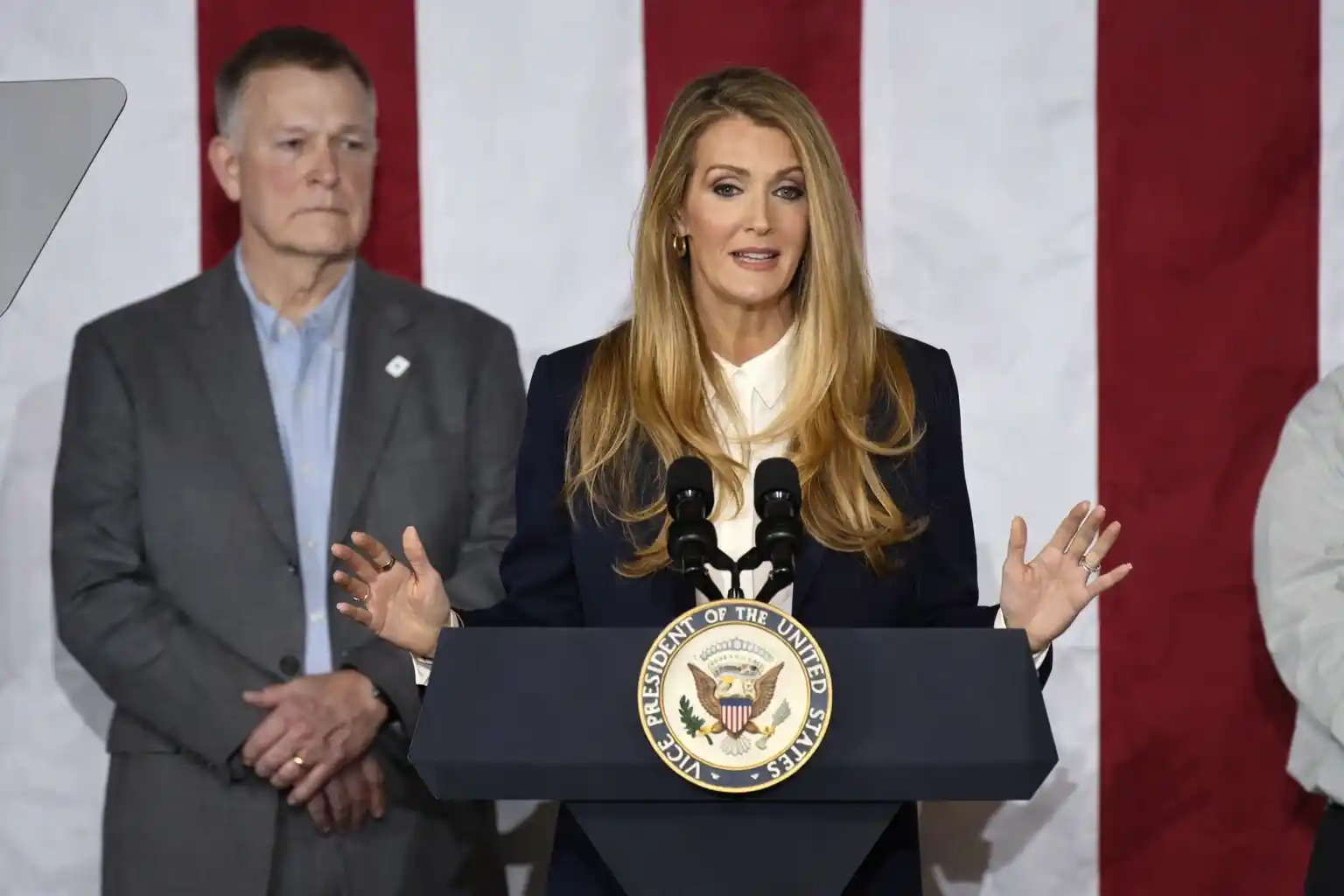
Maggie Clemmons, a spokesperson for the SBA, said in a statement sent out: "The Trump SBA is committed to driving economic growth and job creation for American citizens—which is why, effective March 1, the agency will no longer guarantee loans for small businesses owned by foreign nationals. The SBA makes sure that every dollar it gets from taxpayers goes to help U.S. entrepreneurs and job creators in every program."
The message is clear: put American citizens first and keep government money in the hands of "Americans." The government thinks this is a way to protect resources and put people first. When it comes to loans for small businesses, this is America First in action.
But not everyone is happy. Groups that help small businesses are very against the move. The Small Business Majority, which has been working for years to get policies that help businesses, said it was a bad choice that would hurt job growth across the country.
"The latest decision by SBA doesn't take into account that immigrants are twice as likely to start a business as U.S. citizens," said John Arensmeyer, the CEO of SBA. SBA's strict rules will hurt the growth of small businesses in our country for a long time because of this.
And he has proof to back it up. Studies by the Kauffman Foundation, the National Bureau of Economic Research, and even the government show that immigrants are much better at starting businesses than people who were born in the country. They are more likely to start businesses, usually in fields that require a lot of hard work, like restaurants, retail, construction, software startups, and so on.
A lot of green card holders don't just work; they also take the risk to start businesses, hire locals, and build communities. Small businesses are still the biggest employers in the U.S. If they can't get SBA loans, there may be fewer new businesses, slower growth in some areas, and maybe even fewer jobs overall.
What this means in the real world. You have a green card and have been running a successful landscaping business in Texas for eight years. You've paid taxes, hired American workers, and maybe even paid for some of your own workers to come to the US. You want to expand your business by getting new tools, opening a new store, or hiring more people.
You would usually go to your bank to ask for an SBA 7(a) loan or an Express loan. The lender is more likely to say yes because the government backs it up. Now? If your business is in your name or you own most of it, that door closes on March 1. You can either get private financing, which is usually more expensive and harder to get, use your own money, or lower your goals.
You could also think of a family-owned restaurant in California. Years ago, Mom and Dad came here on visas, got their green cards, and built the house from the ground up. The parents' kids are American citizens, but if the parents still own most of the business, they might not be able to get the loan.
That might stop renovations, changes to the menu, or even just making up for a slow month. These aren't just made-up stories. Supporters say they've already heard from many business owners who are worried about what's going to happen next.
This isn't happening in a bubble, either. Recently, the SBA has been putting a lot of restrictions on things. The rule from last year that only one person can own 100% of a business was a big change from decades of rules that let minorities own businesses.
In December, the 5% tolerance seemed like a small compromise, maybe because lenders or business groups said that the strict rules were keeping investors away. But now it's the other way around, and it's clear that green card holders are out.
The message is clear: you won't be able to use these tools that taxpayers pay for if you're not a citizen, even if you've been here legally for decades.
People who don't like it say it's unfair and bad for the economy. Research shows that immigrants not only start businesses, but they also hire more people than people born in the U.S. They also tend to start businesses in fields or industries that other people aren't paying enough attention to.
Not letting them in could mean fewer new ideas and businesses in important areas, which could hurt the local economy. Small Business Majority says that small businesses are responsible for almost half of all jobs in the U.S. and a lot of new job growth. Anything that slows down that engine hurts everyone.
People who agree with the change, on the other hand, think it's about fairness and priorities. Why should taxpayer-funded programs help people who aren't citizens when citizens are having a hard time too?
The SBA's announcement talks about "U.S. job creators and innovators," which makes it sound like citizens are the most important thing. This fits with the story because money is tight and politicians are under pressure to cut government spending on things that are seen as helping people who aren't from the area.
Some lenders might even like how clear it is—there won't be any more questions about how much of the property each person owns.
But it still doesn't seem like the right time. Since the epidemic, small businesses have had a hard time because of problems with the supply chain, rising prices, and higher interest rates on loans. A lot of business owners are just starting to get back on their feet, and now they have to deal with this new problem.
People with green cards are not illegal immigrants. They have paid fees, waited in line for years, and made a promise to the country. It seems like too much for some people to treat them the same as other people with temporary visas or who don't live there.
What's next? The new rules start on March 1, so applications sent in before that date should still be okay under the old rules. Lenders, on the other hand, may be more careful right away.
People who own businesses that are affected are in a hurry. Some people are trying to give ownership to family members who are citizens, some are looking for other lenders or crowdfunding, and a few might just have to put their plans on hold.
Some groups that support certain causes are already talking about fighting back, maybe in Congress or by suing, saying that the change goes too far or slows down economic growth.
Most Americans might not think this is a big deal at first. There are small businesses all over the place, like your neighborhood coffee shop, mechanic, daycare, and ethnic grocery store. Many of them are owned by immigrants who have made this place their home.
Not being able to use the same financial methods doesn't just hurt them; it could also mean fewer jobs, slower growth, higher costs, or even closures in the future.
This is another example of how policies spread. It looks like a simple "citizens first" change on paper, but it could change who gets to build the American Dream and who doesn't.
It is still unclear whether this will lead to more companies owned by citizens filling the gap or just fewer companies overall. Many green card holders see March 1 as a deadline they didn't see coming.
Previous article
Washington Post Cuts 1/3 Staff in Major Layoffs

Jennifer Chen
Jennifer Chen is a senior business correspondent covering Wall Street, corporate America, and economic trends. A former financial analyst, she brings insider expertise to stories about markets, mergers, startups, and the intersection of business and technology.