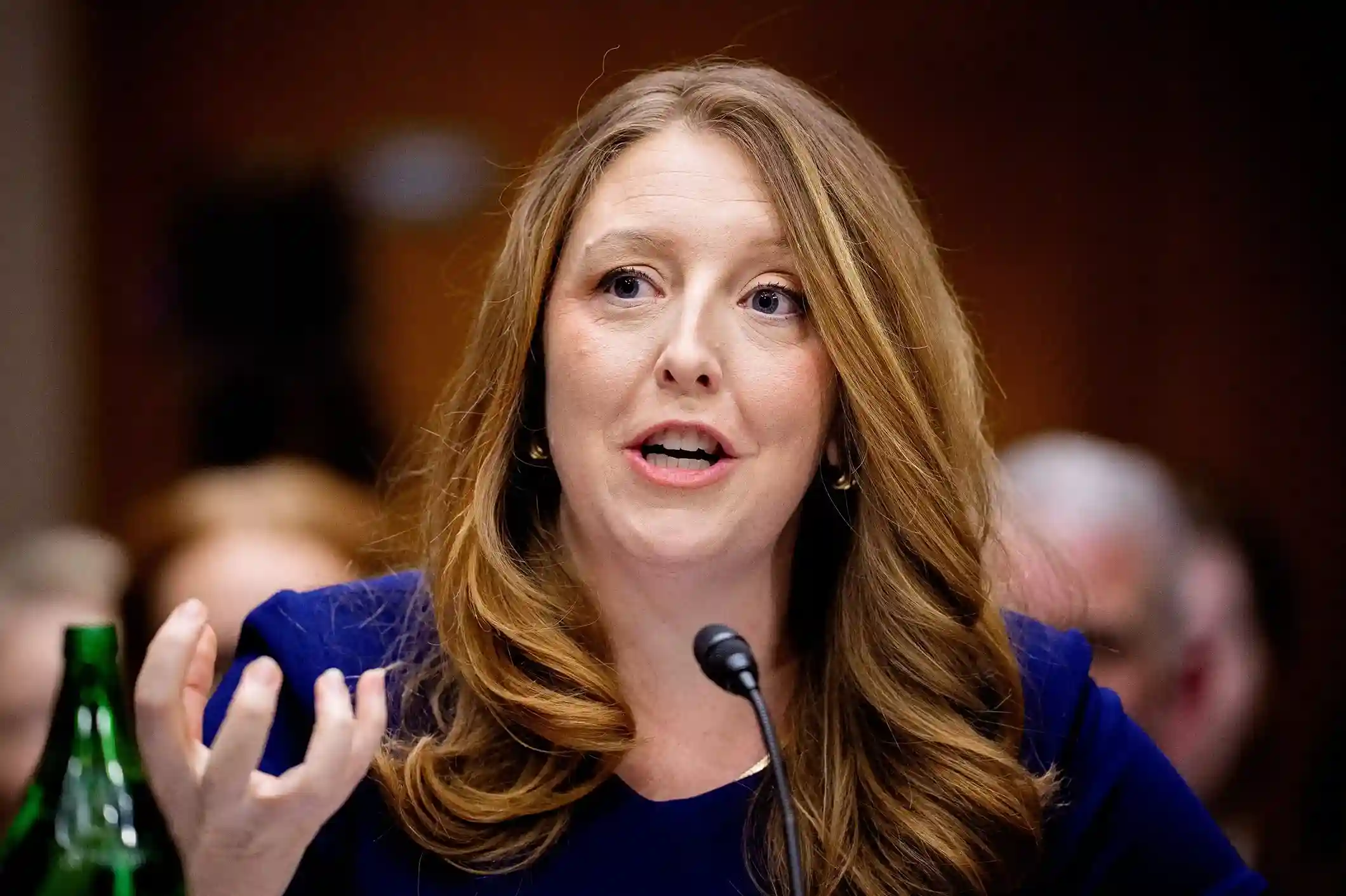
WASHINGTON — Wellness influencer, author, and entrepreneur Dr. Casey Means stepped into the spotlight on Wednesday for what turned out to be a grueling confirmation hearing to become the nation’s next Surgeon General. The 38-year-old Stanford-trained physician laid out a passionate case for tackling the root causes of America’s chronic disease epidemic rather than just treating symptoms in what she called the broken “reactive sick care” system.
Speaking before the Senate Health, Education, Labor and Pensions Committee, Means painted a picture of a frustrated country. “Our nation is angry, exhausted and hurting,” she told lawmakers. “If we’re addressing shared root causes, we’re going to be able to stop the whack-a-mole medicine that’s not working for us.”
Her message lines up perfectly with the “Make America Healthy Again” agenda pushed by her close ally, Health Secretary Robert F. Kennedy Jr. Plenty of folks on both sides of the aisle nodded along when she talked about the explosion in chronic illnesses. Democrats and Republicans alike admit something has to give when it comes to the skyrocketing rates of obesity, diabetes, and other long-term conditions plaguing everyday Americans.
But the hearing quickly shifted from big-picture agreement to pointed, sometimes uncomfortable questions about vaccines, hormonal birth control, her business dealings, and whether she’s even qualified for the job. The Surgeon General isn’t just a figurehead — this person serves as the country’s top public health voice. They issue advisories on everything from disease outbreaks to lifestyle risks and help shape how Americans think about staying healthy.
If confirmed, Means would also be expected to champion Kennedy’s wide-ranging MAHA plans, which include cracking down on food additives, cleaning up conflicts of interest in health agencies, and getting more fresh, whole foods on people’s plates. Past Surgeons General have weighed in on vaccines too, even though the office doesn’t set actual policy. That’s exactly where things got testy.
Tough Questions on Vaccines
Senators from both parties pressed Means hard on where she stands on vaccinations. Louisiana Republican Sen. Bill Cassidy, who chairs the committee and is a doctor himself, asked straight up whether she would tell Americans to get their flu and measles shots, especially with outbreaks popping up around the country. She didn’t give a simple yes. Instead, she kept coming back to “informed consent” — the idea that patients and doctors need to have honest conversations before any medical decision.
Cassidy followed up by asking if she accepts the mountain of evidence showing vaccines don’t cause autism. “I do accept that evidence,” Means replied, “but I also think that science is never settled.” She mentioned looking forward to new federal research on environmental factors that might play a role in autism.
She also addressed her earlier worries about giving the hepatitis B vaccine right at birth. The CDC had dialed back its universal recommendation for newborns, a move that drew criticism from many medical groups. Means said she backs the current CDC guidance on that birth dose but still believes in getting kids protected against the disease at some point during childhood.
Birth Control and Other Concerns
On the other side of the aisle, Washington Democrat Sen. Patty Murray zeroed in on Means’ past comments that birth control pills get handed out “like candy” and show a “disrespect of things that create life.” Means walked that back a bit, saying she absolutely believes oral contraceptives should be available to every woman who needs them. At the same time, she pointed to what she called “horrifying side effects” that hit some people harder than others. “Doctors do not have enough time for a thorough informed consent conversation,” she argued.
Medical experts generally agree the pill, patch, and ring are safe for most women, though they do carry a small extra risk of blood clots, heart issues, or stroke — especially for smokers over 35 or those with other heart risk factors.
Maine Republican Sen. Susan Collins brought up Means’ book where she talked positively about therapeutic use of psychedelic mushrooms and even said she’d tried them herself. Means drew a clear line: what she might say as a private citizen isn’t the same as what she’d say as a public official. She made it plain she wouldn’t be recommending psychedelics to the general public.
Questions on Qualifications and Conflicts
The biggest knock against Means, though, goes beyond policy positions. She’s not your typical Washington pick. After earning her medical degree from Stanford, she left her surgical residency at Oregon Health and Science University back in 2018, saying the whole health care system felt broken and exploitative.
She pivoted to functional medicine, opened her own practice (which later closed), and co-founded Levels, a popular app that tracks nutrition, sleep, and blood sugar through continuous glucose monitors. Along the way she made serious money promoting wellness products — things like special basil seed supplements, teas, probiotics, and meal kits. An Associated Press investigation found she sometimes recommended these items without clearly disclosing her financial ties.
During the hearing, senators hammered her on those potential conflicts. Means pushed back, saying the claims were wrong and that she takes ethics very seriously. In her official filing, she promised that if confirmed she’ll quit her role at Levels, give up or sell off her stock options there, and stop any work with Rupa, a lab testing company.
She can still collect royalties from her book “Good Energy” but won’t promote it anymore. She also agreed not to hold any investments on the FDA’s prohibited list.
Vermont independent Sen. Bernie Sanders, the committee’s top Democrat, didn’t hold back. “I have very serious questions about the ability of Dr. Means to be the kind of surgeon general this country needs,” he said. She has no government experience, and her medical license isn’t active right now.
At least two former Surgeons General — one from the Bush years and one from Trump’s first term — have publicly questioned whether she’s up to the job, pointing to that lack of an active license and the unusual career path. There’s also a family angle that adds another layer to the story. Means’ brother, Calley Means, already works as a senior adviser at the Department of Health and Human Services, helping push the administration’s warnings about ultra-processed foods.
Core Mission and Next Steps
Even with all the tough questioning, Means kept returning to her core mission: getting healthier food on American plates and fixing what she sees as widespread metabolic problems caused by poor diets and processed junk.
The committee will now decide whether to send her nomination to the full Senate for a vote. In the meantime, the hearing showed just how divided Washington remains on public health in 2026.
On one side, there’s real agreement that chronic disease is crushing families and budgets. On the other, deep skepticism about whether someone with Means’ background and views can lead the nation’s public health voice without letting ideology get in the way of established science.
For a role that’s supposed to speak to every American about staying healthy, the next few weeks could decide whether Dr. Casey Means gets the chance to try — or whether the Senate decides the risks are just too high.
Previous article
Netanyahu Urges Broader Iran Deal at White House Meeting

Marcus Johnson
Marcus Johnson is a political analyst and investigative journalist specializing in U.S. politics, Congressional affairs, and electoral campaigns. With a background in political science from Georgetown University, he offers in-depth coverage of Washington's power dynamics and policy debates.