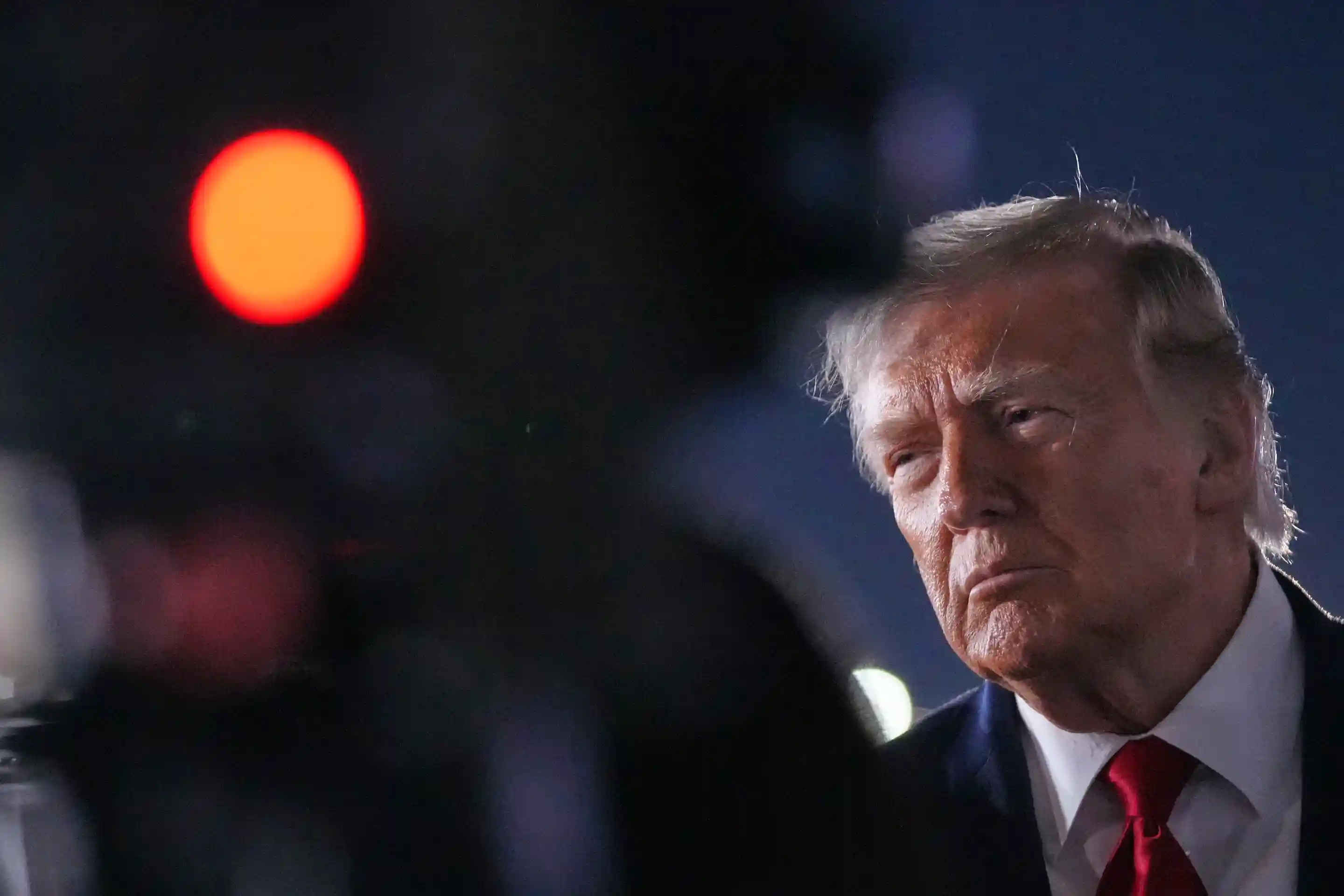
If the Trump administration quietly comes up with a big exemption plan, some of the biggest tech companies, like Amazon, Google, and Microsoft, may not have to pay high new tariffs on the chips they need to keep building their huge AI data centers. People who are close to the talks say that the Commerce Department is working on a carve-out plan that would let these hyperscalers bring in chips without paying extra duties. But this would only happen if Taiwan's huge chip maker, TSMC, agrees to build more plants in the United States.
Background on Trade Tensions
This is not just Silicon Valley's random choice. The White House has been trying to fix a more complicated trade problem since the start of the year. The government put 25% tariffs on a number of high-end AI processors, such as AMD's MI325X and Nvidia's H200, back in January. They said it was for national security reasons and to bring chip manufacturing back to the US. Then, there were more general warnings about tariffs on semiconductor imports from Taiwan, which still makes most of the world's cutting-edge chips. The goal has always been clear: build up manufacturing capacity and jobs in the US and depend less on foreign suppliers, especially now that tensions with China are high.
Challenges for AI Hyperscalers
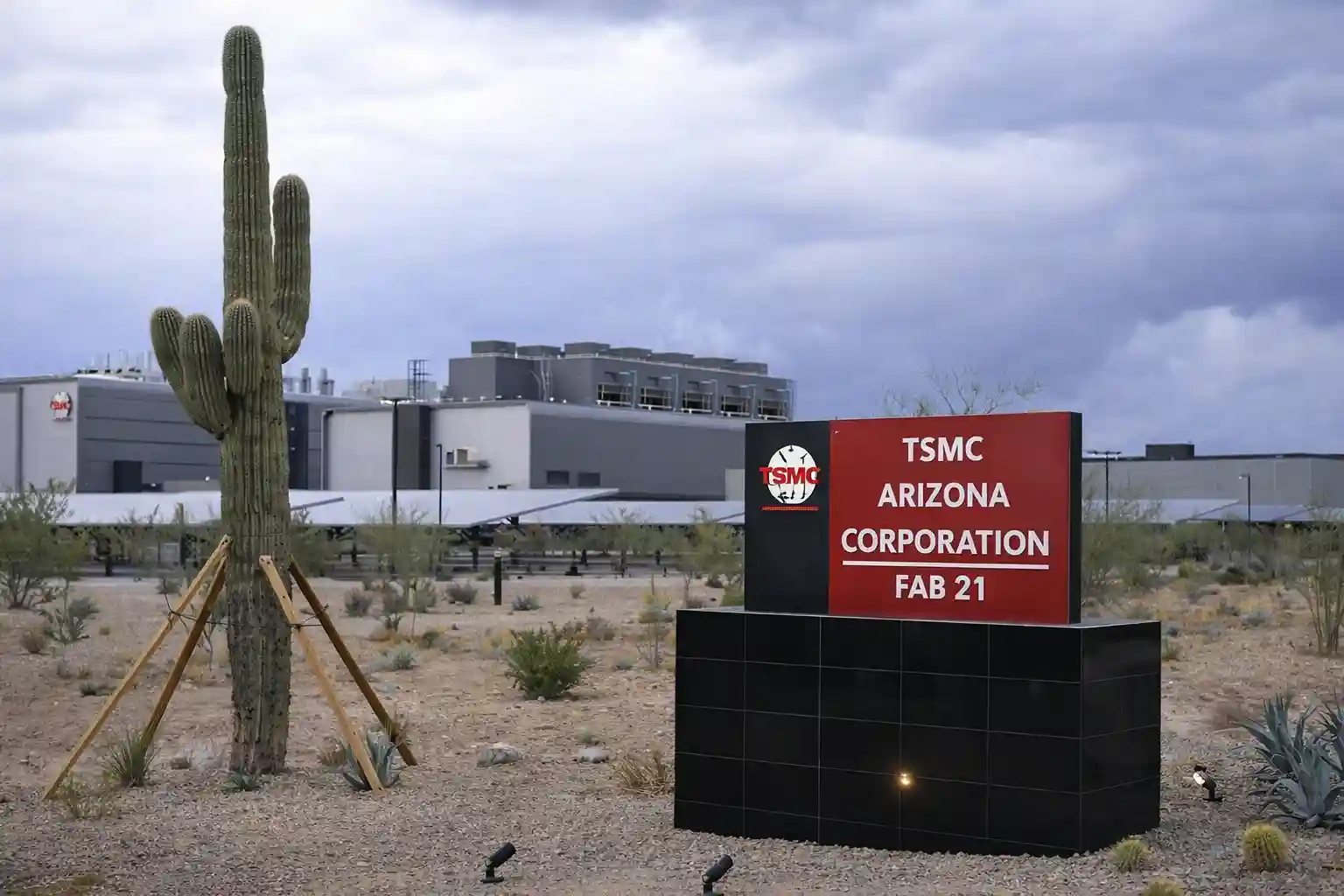
But there is a big catch. The hyperscalers, which include Amazon's AWS, Google Cloud, Microsoft Azure, and a few others, are currently building data centers at an unprecedented rate. They are spending billions of dollars on GPUs and specialized silicon to train and run the next generation of AI models. If there isn't a steady, reasonably priced supply of these chips, the whole AI boom could come to an end. This is where TSMC comes in. The Taiwanese company has already promised to spend about $165 billion building and expanding factories in Arizona and other U.S. states. As part of a new trade deal with the United States earlier this year, Taiwan promised to spend at least $500 billion on U.S. chipmaking. Half of that money would come from direct investments and the other half from government-backed loans. Taiwan agreed to lower the overall tariff rate on goods from 20% to 15% in exchange.
Details of the Proposed Carve-Out
The drafts that are going around say that TSMC and other Taiwanese companies building factories in the US would be able to import chips up to 2.5 times their expected production capacity while those factories are still being built, without having to pay any tariffs. After the fabs are up and running, the multiplier goes down to 1.5 times. If TSMC were allowed to give "free pass" slots to its biggest American clients, Amazon, Google, Microsoft, and maybe Meta or Oracle could get the exact chips they need for AI without having to pay extra. It's a smart move to keep the AI race going while putting pressure on TSMC to keep investing in the US.
Market Reactions and Oversight
People who watch the chip market have it a little easier. People who invest and analysts have begun to talk about X (formerly Twitter) with comments like "Hyperscalers just got a $10B+ gift wrapped in red, white, and blue" and "Finally some common sense—AI buildout can go on without tariffs getting in the way." After the Financial Times report came out late last week, the stock prices of Nvidia, TSMC, and the big cloud providers went up a little. "Nobody wants to be the one who slowed down the AI gold rush just to make a political point about tariffs," said one fund manager in a very direct way.
Of course, nothing is set in stone yet. According to people in the administration, the plan is still "in flux" and hasn't yet been sent to the president for his approval. To make sure that the carve-outs don't turn into a legal loophole that lets TSMC ship everything from Taiwan while hardly building anything in Taiwan, they are also promised strict oversight. A source inside the White House says that reporters will be "watching like hawks" to make sure that the exemptions and refunds lead to more factories and jobs in the US, not just cheaper imports for Big Tech.
Broader Implications for Tech and Consumers
This is more important than it might seem for both businesses and regular tech users. Because hyperscalers can get chips for less money, future cloud services, AI tools, and even consumer devices usually cost less (or at least go up in price more slowly). It also shows that the government is willing to be practical: punish dependence on other countries without hurting the sectors that are currently driving the American economy.
We will learn more in the coming weeks as the Commerce Department works out the details. Keep an eye on Arizona for now, because every new TSMC shovel could save the cloud giants millions of dollars in tariffs. This carve-out looks like a classic Washington compromise: secret talks to keep the tech engine going and strong words on trade. We don't know yet if it will really help bring chipmaking back home, but for now, the AI race has gotten a little less expensive.
Next article
UBS Downgrades US Tech Sector Amid AI Worries

Emily Patterson
Emily Patterson is a technology reporter covering Silicon Valley, artificial intelligence, cybersecurity, and digital innovation. With a computer science background from MIT, she translates complex tech developments into accessible stories for mainstream audiences.