Disney's recent earnings report has a mix of good news and some cautionary notes, especially for its massive theme park business. The company beat Wall Street's expectations for the last quarter of 2025, thanks largely to people spending more at its parks and on cruises. But executives are sounding the alarm about fewer international tourists showing up at U.S. locations, which could put a dent in future growth. This comes right before a big board meeting where they'll pick who takes over from CEO Bob Iger. Let's break it all down, looking at what happened, why it matters, and what might come next.
Solid Financial Results with a Catch
Let's start with the money. In the first quarter of its fiscal year, which ends in 2025, Disney made $26 billion in sales. That's good, and their net income was $2.4 billion, or about $1.34 for each share. Earnings were $1.63 per share, which was more than what analysts had expected, after taking out one-time costs. Even though the news came out, the stock still fell, losing more than 6% of its value in trade. Investors can be hard to predict; even when the numbers look good, any hint of trouble can make them leave.

Parks and Cruises Drive the Gains
The "experiences" part, which includes theme parks, resorts, cruises, and other goods for consumers, did the best. There, sales went up because people spent more money once they were inside the gates. You should expect to pay more for food, goods, and special events like VIP tours. Disney's ships were also full of people, and they spent money on extras on board, which was good for business. It's not surprising; Disney knows how to turn a trip into a money-making machine, where every chance to take a picture or meet a character makes more money.
Caution on Near-Term Growth
But there's a problem: Disney doesn't think this division will grow much this quarter. They called it "modest," which in business language means "don't get your hopes up." What is the biggest problem? Fewer people from other countries visit U.S. parks. The World Travel & Tourism Council says that the number of people coming to the US from other countries fell by 6% last year. You could say it's because of political tensions, like the fights between the Trump administration and Mexico and Canada. Trade disputes, travel bans, or just bad vibes may make people think twice about crossing borders. That means that fewer families from other countries will have to wait in line for the new Star Wars rides or Space Mountain at Disneyland in California or Walt Disney World in Florida.
Leadership Transition Looms Large
Switching gears to leadership, this drop in earnings happens at a very important time. The board is meeting this week to talk about who will take Iger's place. They need to make a choice by the end of the year. Iger, the famous CEO who made Disney a media giant, came back in 2022 after Bob Chapek, the person he chose to replace him, failed because of scandals and anger over cost-cutting. The stock is up about 13% since Iger took over. It's not great, but it's better than what he found, which was a disaster. He is ready to step back again at 74, but not before making sure the business is stable.
The Top Contenders for CEO
The leaders? Josh D'Amaro is in charge of the parks and experiences side, and Dana Walden is in charge of streaming and studios in the entertainment division. D'Amaro seems to be ahead of investors and insiders. He is the one building the empire by adding ships to the cruise line (he wants to have 13 ships in total), building a new park in Abu Dhabi, and spending billions to fix up current locations. Rich Greenfield, an analyst at LightShed Partners, said it clearly: "No one owns Disney stock for anything other than the theme parks anymore." That's interesting. Parks always make money, even when movies don't do well or streaming loses money.
Outlook for 2026 and Beyond
Disney is painting a bright picture for 2026 as a whole, with earnings growth in the double digits and $7 billion in buybacks for shareholders. That's good news for stockholders, who can hear it loud and clear. Iger said on the call about the results that the company was in much better shape than it had been three years before and that he had a lot of work to do to make things right. He was right: he cut costs (including layoffs), made operations more efficient, and focused on his strengths, like parks and IP. The new CEO will have to deal with a smaller company, but there are problems coming up, like streaming conflicts, people canceling their cable, and now this drop in international travel.
Why International Visitors Matter So Much
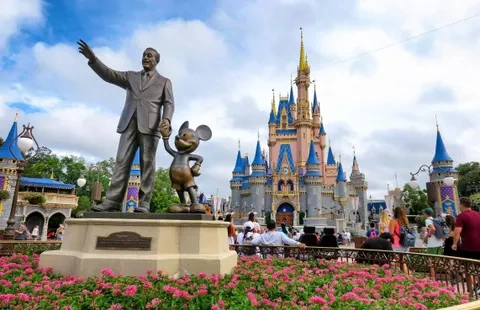
Why is it so important that fewer people from other countries come here? Theme parks aren't just rides; they're whole worlds that people from all over the world love. Disney World gets 58 million visitors a year, and a lot of them come from other countries. They travel in groups, stay on site, and buy premium packages. It may not seem like much, but a 6% drop adds up in a business that doesn't make much money after paying for things like cast members, upkeep, and fireworks. Also, if tariffs or visa issues get worse, tensions with Mexico and Canada, two important places where tourists come from, could get worse. Every year, millions of Mexicans come to the U.S., and Canadians love going to Florida. If those run out, Disney may have to do more advertising or give more discounts in the US, which could hurt sales.
Bright Spots in Diversification
On the other hand, Disney's diversification is a good thing. After COVID, cruises are very popular, and families want vacations that include everything. The Singapore cruise is aimed at Asia, where the middle class is growing and people want more Disney magic. Patterns in U.S. visitors don't affect parks in other countries, like Paris, Tokyo, Hong Kong, and Shanghai, which is good. And don't forget about the things people buy: merchandise from those big movies keeps the money coming in.
What This Means for the Future
This study shows that Disney is both strong and weak, which is important for fans and investors. Parks are the heart, pumping out billions, but things that happen around the world can affect them. The person who takes over after Iger will have to deal with that. They might do this by speeding up growth in other countries or finding new ways to use technology, like AR experiences, to get people to come to the area.
In conclusion, Disney's quarter shows that the company is strong where it matters, but the problems in other countries show that even the happiest place on Earth isn't immune to world politics. This real-life business drama is going to get a lot more interesting as the board picks the next leader. If you're going to Disney World soon, be patient and maybe bring some extra money for the churros.

David Rodriguez
David Rodriguez is a travel journalist and photographer who has explored all 50 states and over 60 countries. He specializes in adventure travel, cultural experiences, and sustainable tourism, offering readers insider tips and compelling destination stories.