The current date is February 11, 2026. Beginning next month, the Transportation Security Administration issued a warning that will hit many travelers square in the wallet. On February 1, 2026, you will be charged $45 merely to pass through the line and board your aircraft if you arrive at a U.S. airport security checkpoint without a REAL ID-compliant driver's license or another authorized form of identification. As part of a larger effort to finally implement regulations that have been in place since the post-9/11 era, a senior TSA official told Congress as much during his testimony this week.
At a House hearing on Wednesday, TSA Deputy Administrator Ha Nguyen McNeil explained it. Approximately 94% of the approximately 2.5 million passengers who travel domestically each day currently present the proper form of identification. Although it's a slight improvement over last year's 93%, about 6% of travelers—roughly 150,000 per day—remain noncompliant. The agency has tolerated those people for years by screening them further, issuing warnings, and occasionally rejecting them if they are unable to offer a suitable substitute. However, patience is wearing thin. Starting next month, noncompliant travelers will have to pay $45 for what the TSA refers to as a "alternative verification process" that spans a 10-day travel window, the agency stated back in December.
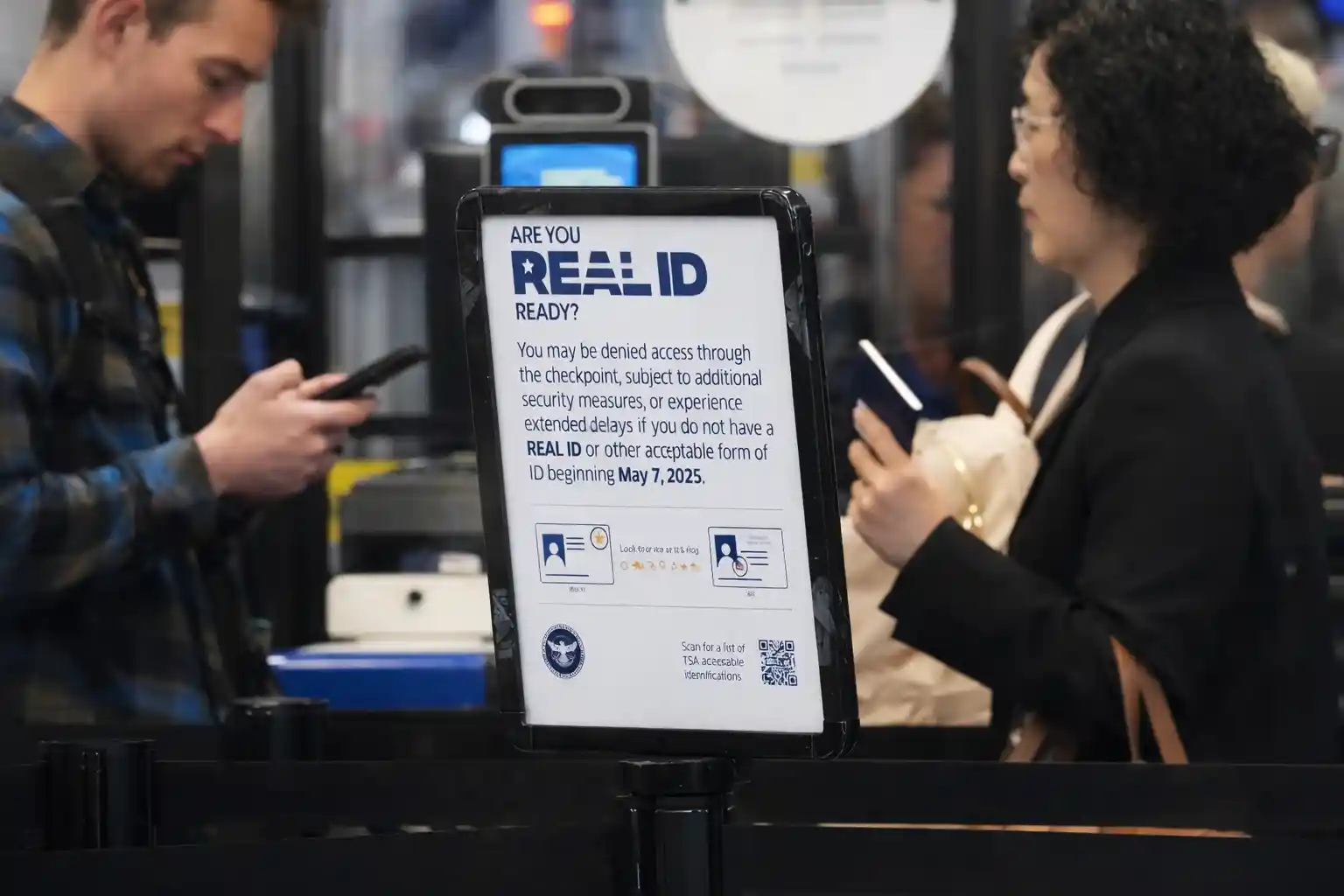
According to McNeil, the price is intended to pay the actual expenses of dealing with those who lack the required identification, not just as a fine. This entails more screening procedures, more time spent by TSA officials, and the resources required to ensure that no potentially dangerous individuals pass through. She noted that the Trump administration examined the figures and determined that $45 was more reasonable in light of the true costs, even though the first proposal called for a $18 fee. The cost is non-refundable, and you risk spending up to 30 minutes in a separate line if you wait to pay it at the checkpoint rather than online in advance. When people are already anxious about getting on a flight, they don't want to be delayed like that.
The REAL ID Act of 2005, which was based on the 9/11 Commission's recommendations, is where the REAL ID requirement originated. Investigators discovered after the attacks that several of the hijackers had used state-issued driver's licenses, which were simple to get using forged documentation. In addition to requiring confirmation of identity, domicile, and Social Security number, the law established minimum security requirements for how states issue driver's licenses and other identification documents. Additionally, the cards themselves must have improved security measures to make them more difficult to counterfeit. Because so many people weren't prepared and states required time to modernize their systems, Congress repeatedly postponed the enforcement deadline. The date of full enforcement was originally set for 2008, but it kept getting pushed back. The most recent soft launch was in May 2025, and the hard line for when the fee starts to apply to holdouts is currently February 1, 2026.
What Counts as Acceptable ID
What kind of identification is acceptable? The most popular choice is a REAL ID-compliant driver's license or state ID; check for the small gold star or flag in the top corner. However, if you already hold a valid U.S. passport, passport card, Department of Defense ID, passport card, or one of the DHS Trusted Traveler cards, such as Global Entry, NEXUS, or SENTRI, you do not need to obtain a new one. When traveling with an adult, children under the age of 18 are exempt from presenting any identification. Only domestic flights are subject to the regulations, although access to some government facilities and military installations also requires the same upgraded identification.
This modification won't have any impact on the millions of people who currently have compatible IDs. It's time to make a decision, though, for the holdouts—perhaps those who haven't updated their license recently, those who live in states that were sluggish to implement REAL ID, or those who simply didn't see the need. Instead of paying the cost, TSA is advising everyone to become compliant before the deadline. To find out how to upgrade, visit your state's DMV website. Most states allow you to do so when your current license expires, but you can typically do it sooner for a cost. Another option is to obtain a passport, although this is more expensive and takes longer.
Criticism and Security Rationale
There has been some opposition to the move. The government has had almost 20 years to ease the transition, so critics claim that charging individuals more feels like a tax on forgetfulness or inconvenience. Some contend it's reasonable—why should cooperative tourists foot the bill for the additional trouble caused by non-updating travelers? During the hearing, McNeil emphasized that security, not punishment, is the aim. "We want to ensure they do not pose a threat to our skies," she stated, presenting the fee as a means of reducing the strain on the system without preventing people from flying.
Airports are preparing for the possibility of longer lineups and more irate travelers as February 1 draws near. Although TSA claims to have increased public awareness efforts, given the enormous volume of passengers each day, even a small portion of noncompliant travelers could cause traffic jams. Check your ID again right away if you're going on a domestic trip shortly. At the checkpoint, that small star on your driver's license could save you a lot of trouble and forty-five dollars.
Previous article
FAA Grounds El Paso Flights for Ten Days

David Rodriguez
David Rodriguez is a travel journalist and photographer who has explored all 50 states and over 60 countries. He specializes in adventure travel, cultural experiences, and sustainable tourism, offering readers insider tips and compelling destination stories.