Everyone knows that international trade accords don't just happen out of the blue. They typically simmer in the background, shaped by small changes in policy and the economy that don't get much attention but end up making a big difference. That's very much what happened with the latest trade deal between India and the US. While officials from both sides were working out the specifics in meetings in Delhi and Washington and on the phone with Prime Minister Narendra Modi and President Donald Trump, India was busy putting in place steps to make its economy stronger. These actions, which included changing labor regulations, lowering quality controls, and offering budget incentives, seem to have played a small but important influence in closing the transaction. Let's take it one step at a time and observe how these "silent drivers" fit into the overall picture.
The Announcement and Tariff Relief
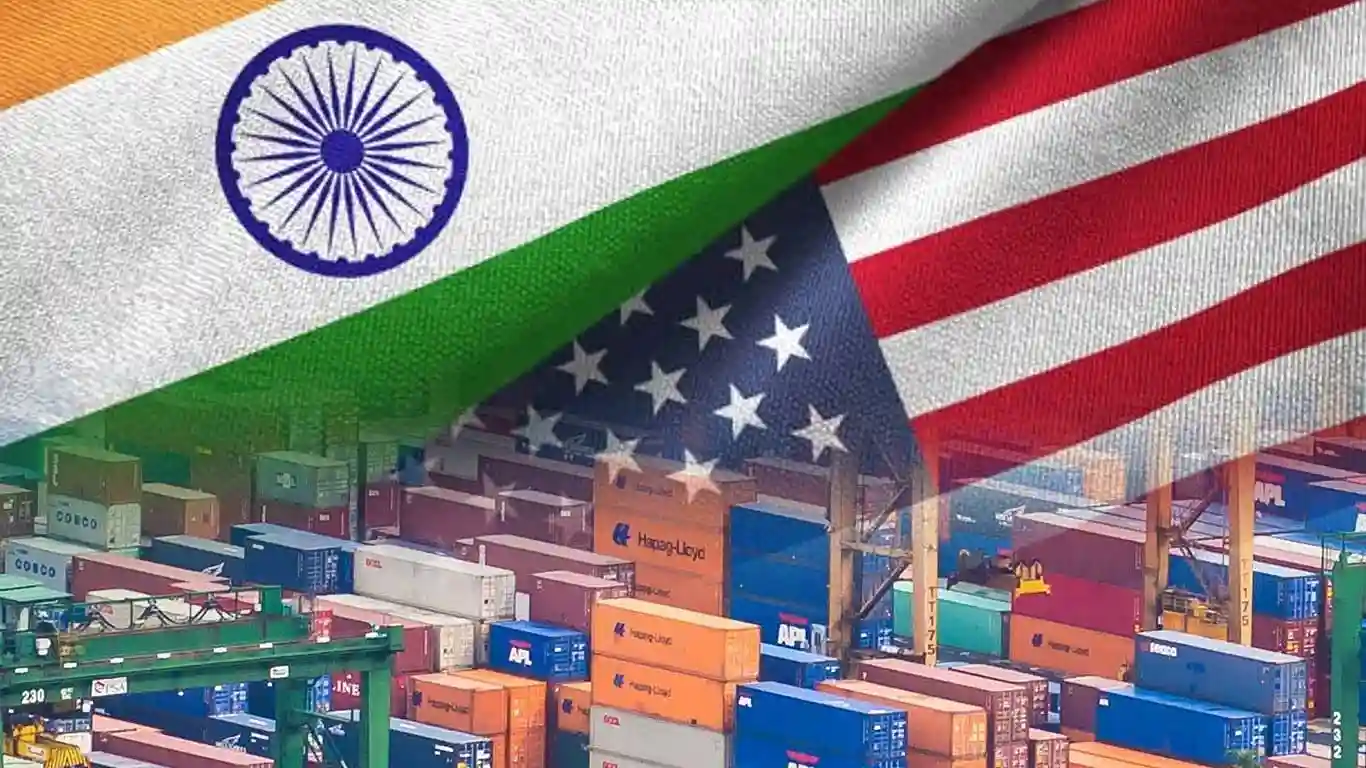
When Trump made the announcement, the agreement itself got a lot of attention. He linked it to a phone chat with Modi, during which India supposedly decided to stop importing oil from Russia. In his reaction, Modi didn't say it was a "trade deal," but he thanked the 1.4 billion people of India for what he called a "wonderful announcement." What is it all about? A big cut in tariffs, from 25% to 18% on several Indian exports, which brought the total levies on numerous commodities down from about 50% to that lower number. This rollback undoes the high tariffs that Trump put on India last August as a "penalty" for India's oil trade with Russia. The duties started at 25% and eventually went up to 50%. Indian exporters are really happy about this, since they had been having trouble in areas like textiles and seafood.
Budget Boost for Affected Industries
You need to look at the timeframe to properly get this. Months ago, negotiations began, and there were back-and-forths that included phone calls between leaders and face-to-face talks. Amit Shah, the Home Minister of India, and other top Indian officials confirmed the deal, which was the same as Trump's excitement. But the transaction didn't just come out of nowhere. At the same time that these talks were going on, India was working hard to establish a stronger, more future-focused economy. This wasn't just talk; it included real steps to fix problems that had been around for a long time in trade, industry, and global competitiveness. India is getting ready for a major guest by cleaning up its house and making sure everything looks nice and works well.
One of the best things that happened was the recent Union Budget. Nirmala Sitharaman, the finance minister, gave a package that was meant to help companies that use a lot of labor and had been hurt by US tariffs. For example, shellfish and textiles. India's exports of fish and other aquatic goods fell by roughly 9.2% from the previous year after the tariffs went into effect. Shipments of knitted clothes also fell by 3.88%, to almost $1.7 billion. The Budget came up with some reasonable incentives to fight this. Sitharaman suggested raising the duty-free import restriction for some inputs used in processing seafood from 1% to 3% of the FOB value of the previous year's exports. That's a useful push to make exporting more possible. She also added shoe uppers to the list of inputs that can be imported without paying duties, which made the relief even bigger.
Piyush Goyal, the Minister of Commerce and Industry, called the Budget a plan for a "future-ready Bharat." He said that it increases manufacturing, boosts exports, and makes India a top destination for foreign investments. "This strengthens our position as a reliable economic partner around the world," he said. And he makes a good point. These improvements help Indian businesses compete better, especially against big players like China and Vietnam, in a world after the pandemic when supply chains are weak. The government is lowering the hurdles for small and medium-sized businesses, which are the backbone of these sectors, by lowering the cost of inputs. It's not only about helping people right away; it's also about making things last, creating jobs, and bringing in foreign money.
Labour Codes: Modernizing the Workforce
Now, let's move on to the changes to the labor laws. Finally, in November of last year, the government put the four main labor laws into effect: the Code on Wages (2019), the Industrial Relations Code (2020), the Code on Social Security (2020), and the Occupational Safety, Health, and Working Conditions Code (2020). This was a huge change that combined 29 old laws into a simpler system. A lot of these old norms were from the 1930s and 1950s, when India's economy was very different from how it is now, when the globe was more connected. The government said it will help make industry stronger and create a "future-ready workforce," all in keeping with the "Aatmanirbhar Bharat" (self-reliant India) goal.
What does this mean for trade? Labor standards have always been a touchy subject in international agreements, especially with the US. American negotiators generally ask for more worker protections, more openness in regulations, and more freedom to make sure their businesses aren't at a disadvantage. India dealt with such problems head-on by updating these regulations. The new codes, for example, make it easier to hire and fire people, give gig workers social protection, and stress safety standards. This not only increases production at home, but it also shows commercial partners that India is following global standards. It is likely that these kinds of issues came up during the talks between India and the US, even if they were not directly addressed. Before a job interview, you should update your resume to show that you are flexible and professional. Some critics fear that some reforms might weaken workers' rights, while supporters say they strike a balance that makes India a better place to invest in manufacturing regions like Gujarat or Tamil Nadu.
Easing Quality Control Orders (QCOs)
These are basically rules that say certain things can't be sold or brought into India unless they match Indian criteria. The government sees them as ways to protect consumers, make sure quality, and support local industry. But for trading partners like the US, QCOs can sometimes look like non-tariff barriers—extra steps that raise costs and slow down imports. The Ministry of Chemicals and Fertilizers made a big move in November 2025 when they got rid of 14 QCOs, including those on polyester fiber and yarn. This was aimed at the textile industry, which had been hurt by the US tariffs.
The timing couldn't be more telling. Textiles are a big source of income for India, and making these rules less strict could make it easier for both sides to get into the market.
Putting It All Together: The Bigger Picture
When you put everything together, the Budget push, the changes to the labor code, and the QCO relaxations weren't just a coincidence. They made the negotiations easier by dealing with issues that could have slowed things down. The Indian side is still slowly releasing more information on the accord, but it's apparent that lower tariffs would lead to more exports, which could add billions to India's trade balance. Last year, commerce between India and the US was worth more than $190 billion. This might make that number go up much further.
India has been moving away from things it depends on, including Russian energy, in part because of global pressures after the invasion of Ukraine. The US, on the other hand, wants to limit China's power in Asia, thus India is a key friend. But there are still problems. In India, detractors worry about IP rights or agricultural concessions, while US unions would look closely at labor standards. Still, these quiet drivers illustrate that changes within an organization can open up new opportunities outside of it.
The India-US trade deal is more than just lowering tariffs; it's the result of a series of planned initiatives to make the economy stronger. India made itself a trustworthy partner by focusing on competitiveness through budgets, legislation, and rules. As trade between countries changes because of things like climate change and tech problems, these kinds of preventive steps will be quite important. Maybe. This might be the beginning of even closer connections, which could lead to a full free trade deal in the future. For now, it's a reminder that major news often comes from hard effort done in secret.
Previous article
No previous article

Sarah Mitchell
Sarah Mitchell is an award-winning international correspondent with over 15 years of experience covering global affairs, diplomatic relations, and international conflicts. Based in Washington D.C., she has reported from over 40 countries and provides expert analysis on foreign policy and geopolitical developments.