Iran's President Masoud Pezeshkian has said he is open to talking to the US. This is a surprising turn of events in the Middle East. This happens when the two countries' ties are already bad because of things like protests in Iran and military actions in the area. Pezeshkian, who is known for his reformist ideas, said this on social media. He told his foreign minister to look into "fair and equitable negotiations" with the United States. Since last month, there have been a number of protests in Iran, and the government has used violence to put them down. People started protesting because of problems with the economy, but the protests quickly grew into demands for bigger changes. Pezeshkian had been very clear about how things were getting out of hand and had warned people that the unrest was putting the country's stability at risk. He wants to talk to the US now, which shows that he is open to using diplomacy. This might help him feel less stressed at home. Ayatollah Ali Khamenei, Iran's Supreme Leader, is clearly on his side. The 86-year-old king has always been wary of dealing directly with the U.S., which he calls the "Great Satan." His apparent support here is a big deal because it means that all of Iran's leaders agree.
Timing and Regional Mediation Efforts
The timing is also interesting. Turkey has been quietly helping these talks happen, and there are meetings planned for later this week. Steve Witkoff, the US ambassador to the Middle East, is already there, going from one country to another to deal with different problems. First, he will meet with Israeli leaders, such as Prime Minister Benjamin Netanyahu, the head of Mossad, and the heads of the military. After that, he'll go to Abu Dhabi in the UAE to talk about other things, like the war between Russia and Ukraine. This schedule shows how Iran's nuclear goals, Israel's security concerns, and Russia's and other countries' bigger geopolitical activities are all connected.
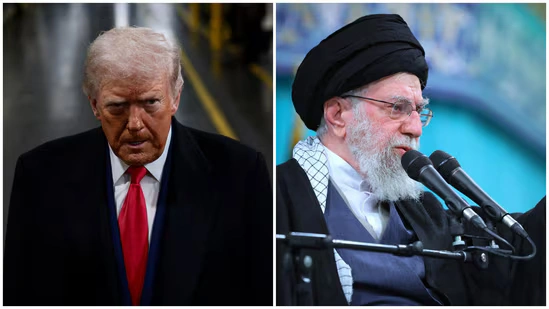
Pezeshkian's post on X (formerly Twitter) was in both English and Farsi so that people all over the world could read it. He said the move was made because friendly governments in the area asked for it after the US invited them to talk about it. He said that any talks should take place in a "suitable environment" where there are no threats or unreasonable demands, and that they should be guided by respect, caution, and speed. That's how Iranians usually talk: they stress respect and balance without showing any signs of weakness. The US hasn't made the talks official yet, so there is still some doubt. A semi-official Iranian news source said for a short time that Pezeshkian told Foreign Minister Abbas Araghchi to go ahead, but the story was taken down without any explanation. Araghchi had also talked to Witkoff before, even before the small war between Israel and Iran in June.
Background of the June Conflict and Nuclear Concerns
The fight in June is a big part of this. It only lasted 12 days, but there were violent attacks, such as President Donald Trump's orders to attack three nuclear sites in Iran. Trump has been tough on Iran since he took office. In 2015, he pulled out of the nuclear deal and put a lot of restrictions on the country. He wants the nuclear program in Iran to be a big part of any talks that take place now. Iran says it doesn't want nuclear weapons, but its efforts to enrich uranium have made people all over the world worried. They've been cleaning uranium to a purity level of 60%, which is almost enough to make weapons. The International Atomic Energy Agency (IAEA) says that Iran is the only country that can do this without already having a nuclear weapon. After the bombing, Iran officially stopped enriching uranium, but they won't let IAEA inspectors into the facilities that were destroyed. It's hard and dangerous to check on some stocks because they are buried under debris.
In a recent interview on Al Mayadeen, a channel that is connected to Hezbollah, which is an ally of Iran, Ali Shamkhani, a key advisor to Khamenei, talked about a number of things. Shamkhani, who used to be in charge of the navy and is now on Iran's Supreme National Security Council, wore his old uniform, which may have been a way to show off his military knowledge. He said that talks could start with the help of mediators and then move on to direct talks if everything goes well. A lot of people in Iran disagree about whether or not the US and Iran should talk to each other directly. Reformists think it would be good for the economy, but hard-liners think it would be a betrayal. Shamkhani said that the talks would only be about nuclear issues and that giving Russia enriched uranium, as was done in the 2015 deal, was not an option. Shamkhani said that Russia has offered to help again, but there is "no reason" for it right now. He said again that Iran doesn't want nuclear weapons, but the US needs to give something in return, like easing sanctions or making other deals.
Israel’s Position and Regional Stakes
Israel is very hopeful. They want an agreement that stops Iran from making ballistic missiles, sends its enriched uranium to other countries, limits how much it can enrich uranium, and stops giving money to groups like Hezbollah, Hamas, and the Houthis in Yemen. These proxies have caused problems in Lebanon, Gaza, and the Red Sea, and Israel and its allies in the area have had a hard time dealing with them. But Shamkhani flat-out refused to stop enriching, which has made talks difficult in the past. Araghchi said the same thing in November, which showed that the bombs did not lead to more enrichment.
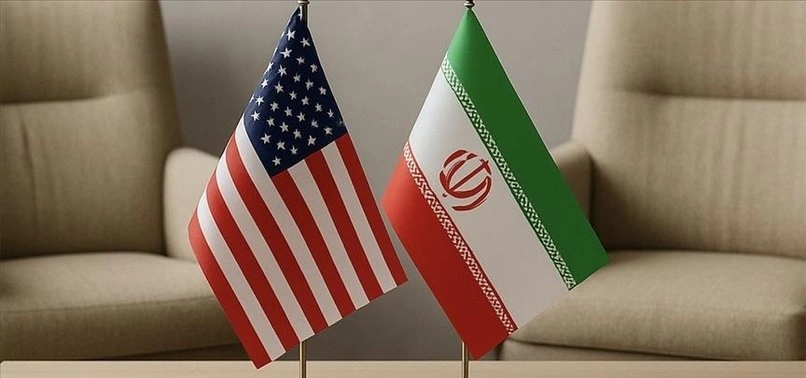
Trump talked about it a little bit. He said that talks are going on and that he wants a solution, but he also said that "bad things" could happen if there isn't one. That's something Trump does a lot: mixing hope with threats that aren't clear. At a meeting in Dubai, Mike Pompeo, his former Secretary of State and a strong supporter of Iran, was less hopeful. He said that a deal that mattered was "unimaginable" as long as Khamenei was in charge. This means that any agreement might only last for a short time and not bring about lasting peace.
Implications for the Region and Future Outlook
What does all of this mean for the area, then? If the meetings go well, they could help calm things down that have been getting worse since Trump's "maximum pressure" campaign. People are angry and protesting all over Iran because the sanctions are hurting the economy. A deal could help by giving Pezeshkian more time to make changes. But there are a lot of problems. After years of fighting, people don't trust each other very much, and hard-liners on both sides might stop things from moving forward. In Iran, any sign of giving in could cause a backlash. In the US, Congress and allies like Israel might want harsh terms.
In the past, the US and Iran's relationship has been like a roller coaster. But in 2018, Trump backed out, calling it the "worst deal ever," and put the penalties back in place. Biden tried to bring it back to life, but Iran's attacks and advances in the area made that impossible.
Pezeshkian's election as a reformist last year was seen as a small change after hard-liner Ebrahim Raisi died in a helicopter crash. He says he would try to fix the economy and get along better with the West, but Khamenei is watching him do it. This desire for talks goes along with that, but it's risky because if they don't work, critics back home might have more power.
Trump has focused on "America First" in his second term, but he has also shown that he can make deals, like the Abraham Accords, which made relations between Israel and Arab countries normal. Witkoff has worked in business and diplomacy, but his work on past negotiations in the Middle East has been hit or miss.
Turkey is stronger because it acts as a mediator, and the UAE hosts talks while keeping its ties with the US and its own peace with Iran. Russia, which is Iran's ally in Syria and gives it weapons, could make things worse because of its war in Ukraine.
The nuclear problem is still the most important one. Iran's program started out as a civilian one, but it changed over time because the country was cut off from the rest of the world. The 60% enrichment began as a way to get something in return after Trump left. Two very important places, Natanz and Fordow, were destroyed. They destroyed the program, which slowed it down, but it didn't stop.
There is also a level of human rights. The Iranian government's violent response to protests that killed hundreds made people all over the world very angry. Pezeshkian's speech may have been an attempt to change the subject, but campaigners want him to be held accountable. Shamkhani says that the US has connected any settlement to bigger problems, but it should only be about nuclear issues.
Pezeshkian's move is, in the end, a careful offer of peace during a hard time. Both sides need to give up something for things to work out. The US needs to lift some of its sanctions, and Iran needs to show that it is making its nuclear weapons less powerful. But it's a long shot because there is a lot of doubt, military posturing, and politics at home. In the next few days, Witkoff will talk to people and we'll see if this spark turns into a fire or dies out. For now, it's a reminder that even enemies can talk when things get worse.
Previous article
How India's changes to its labor laws, quality standards, and budget made the US trade deal possible
Next article
New START Expires: US-Russia Nuclear Limits End

Sarah Mitchell
Sarah Mitchell is an award-winning international correspondent with over 15 years of experience covering global affairs, diplomatic relations, and international conflicts. Based in Washington D.C., she has reported from over 40 countries and provides expert analysis on foreign policy and geopolitical developments.