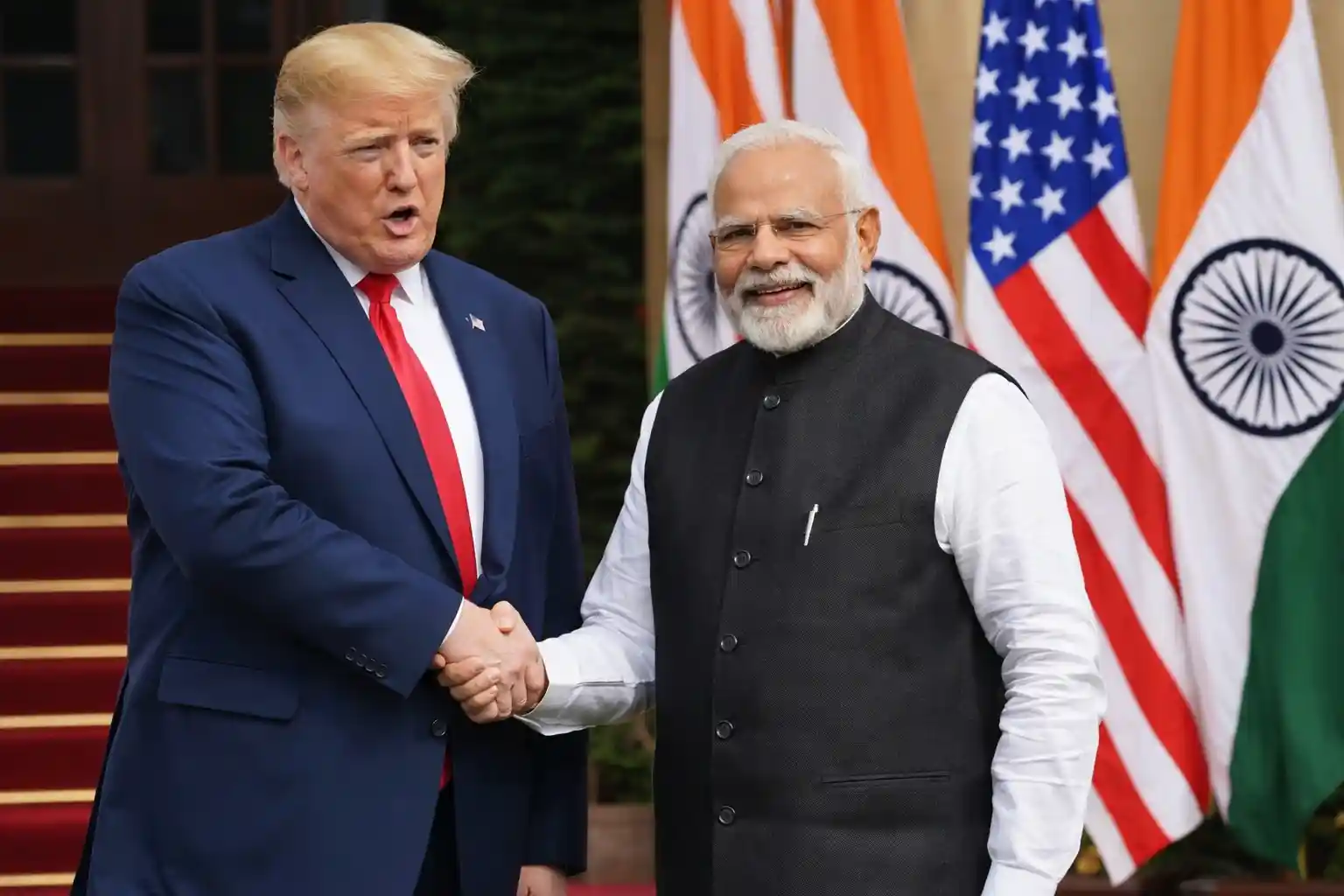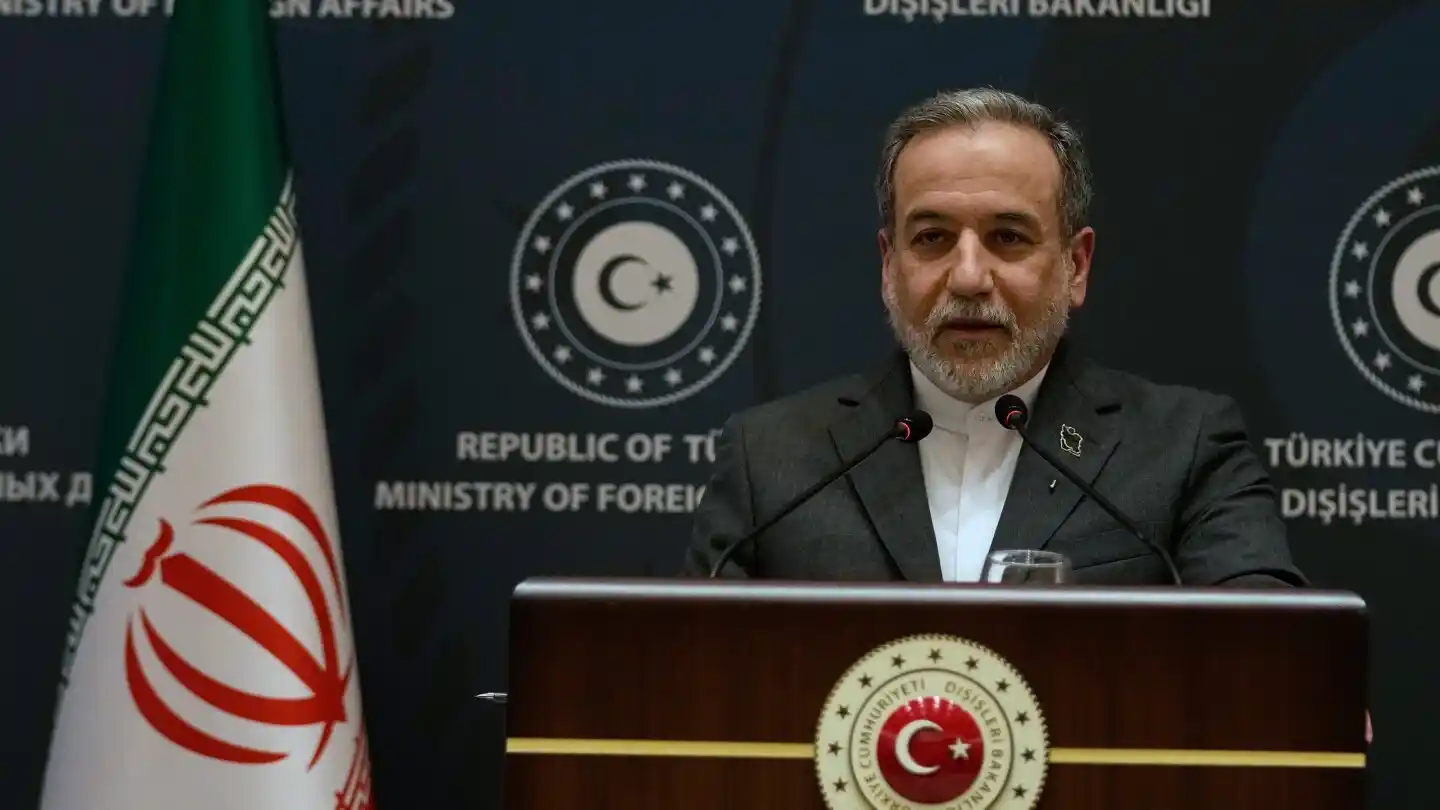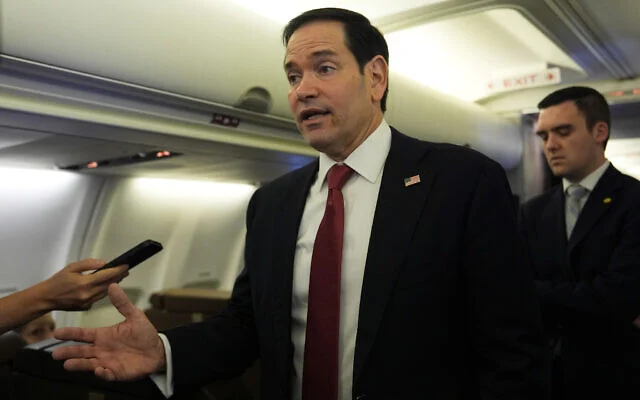
U.S. Secretary of State Marco Rubio said negotiations with Iran could still produce an agreement within days despite renewed military action by the United States. Speaking during a visit to India, Rubio stated that diplomacy remained the preferred path even as Washington carried out additional strikes in southern Iran. He said discussions were continuing and emphasized that the United States wanted a "good agreement" while warning that alternative options remained available if talks failed.
Rubio's remarks came after expectations had briefly increased that a deal could be finalized quickly following indirect negotiations in Doha. However, he cautioned that discussions were complicated and could still take "a few days" before any final understanding was reached. Negotiators continued discussing the future reopening of the Strait of Hormuz, maritime security and broader conditions tied to ending the conflict that has disrupted global energy markets for months.
The United States and Iran have been engaged in talks aimed at extending the ceasefire that followed the large-scale conflict earlier in 2026. Iran has reportedly demanded sanctions relief and guarantees against future attacks, while Washington has insisted on broader security concessions and measures related to regional stability. "The Strait of Hormuz has to be open one way or the other," Rubio said, pointing to the strategic importance of the waterway to global oil supplies and international trade.
Despite cautious optimism, officials on both sides acknowledged that major disagreements remained unresolved. Analysts and diplomats warned that progress could still collapse if either side escalated militarily or hardened negotiating positions during the final stages of the talks.
Even as negotiations continued, the United States launched fresh "defensive" strikes in southern Iran, targeting missile launch sites and boats allegedly attempting to place mines in strategic waterways. U.S. officials said the attacks were carried out to protect American troops and maintain freedom of navigation near the Strait of Hormuz. The strikes highlighted the fragile nature of the ceasefire and immediately increased concerns about whether diplomacy could survive renewed military escalation.
According to reports, U.S. Central Command confirmed that the attacks focused on preventing threats to shipping and American military positions in the region. Iran responded by claiming it had downed a hostile U.S. drone and strengthened air-defense operations around sensitive facilities. Iranian officials accused Washington of undermining peace efforts while negotiations were still underway in Doha.
The strikes came amid broader instability across the Middle East. Israeli Prime Minister Benjamin Netanyahu also announced intensified military operations against Hezbollah in Lebanon despite the broader ceasefire arrangements. The developments sparked fears that violence involving regional players could still destabilize the region even if Washington and Tehran reach a limited understanding.
Renewed military action also hit global financial markets and oil prices. Crude prices, which had fallen sharply on hopes of a diplomatic breakthrough, partially rebounded after news of the strikes emerged. Investors interpreted the attacks as a reminder that negotiations remained highly fragile and that any escalation could once again threaten energy supplies and international shipping routes.
Officials nevertheless insisted that diplomacy had not collapsed. Rubio maintained that discussions with Iran were continuing despite the strikes and argued that military pressure and negotiations were proceeding simultaneously as part of Washington's broader strategy.
One of the most important issues in the negotiations remains the future status of the Strait of Hormuz, one of the world's most critical energy shipping corridors. Since the conflict intensified earlier in the year, shipping disruptions in the strait have significantly affected global oil markets, fuel costs and international trade flows. Both Washington and Tehran now appear focused on securing an arrangement that would restore safer navigation through the region. Reports indicated that the United States and Iran are discussing a phased plan under which Iran would begin clearing mines from the strait following a broader peace agreement. According to Reuters, discussions involve a possible 30-day period during which Iran would remove obstacles and eventually allow ships from all countries to move safely through the waterway again.
Rubio repeatedly emphasized the importance of reopening the strait, saying global commerce depended on uninterrupted passage through Hormuz. Analysts noted that about a fifth of the world's seaborne oil trade normally passes through the narrow channel, making it one of the most strategically important waterways in the world economy. Iran, however, has continued demanding significant concessions before fully reopening access. Iranian officials reportedly want frozen funds released and stronger guarantees against future military action. The continuing disagreement over how and when the strait would reopen remains one of the key obstacles preventing an immediate agreement between the two countries.
The uncertainty surrounding Hormuz has made global markets jittery and hypersensitive to every diplomatic and military development. Oil traders, shipping companies and governments worldwide have continued monitoring negotiations closely because the outcome could significantly influence inflation, energy costs and global economic growth in the coming months.
Although U.S. and Iranian officials continued expressing cautious optimism about diplomacy, uncertainty still dominates the broader regional situation. President Donald Trump stated that negotiations were "going well" but also warned that the United States was prepared to intensify military action if talks failed. Washington has continued insisting that any final arrangement must be comprehensive and durable rather than a temporary ceasefire alone.
Iranian officials meanwhile acknowledged that progress had been made on several issues but stressed that no final deal was imminent. Tehran accused U.S. officials of sending mixed messages and argued that inconsistent public statements complicated negotiations further. Iranian representatives also insisted that discussions focused on ending the war rather than broader nuclear issues, even though Western governments remain deeply concerned about Tehran's long-term military capabilities.
The wider geopolitical situation also remains unstable. The conflict has already caused major disruption across the Middle East, including missile attacks, shipping restrictions and regional military escalation involving multiple countries. Even if Washington and Tehran eventually finalize an agreement, analysts warned that restoring stability could take months because the economic and political consequences of the war are already deeply entrenched.
Diplomats therefore continued treating the current negotiations as highly fragile. While Rubio said a deal could still emerge within days, officials acknowledged that the final outcome remained uncertain and heavily dependent on whether both sides could avoid further escalation while negotiations continued.
Previous article
Trump Delays Iran Attack as Gulf States Push Diplomacy

Sarah Mitchell
Sarah Mitchell is an award-winning international correspondent with over 15 years of experience covering global affairs, diplomatic relations, and international conflicts. Based in Washington D.C., she has reported from over 40 countries and provides expert analysis on foreign policy and geopolitical developments.