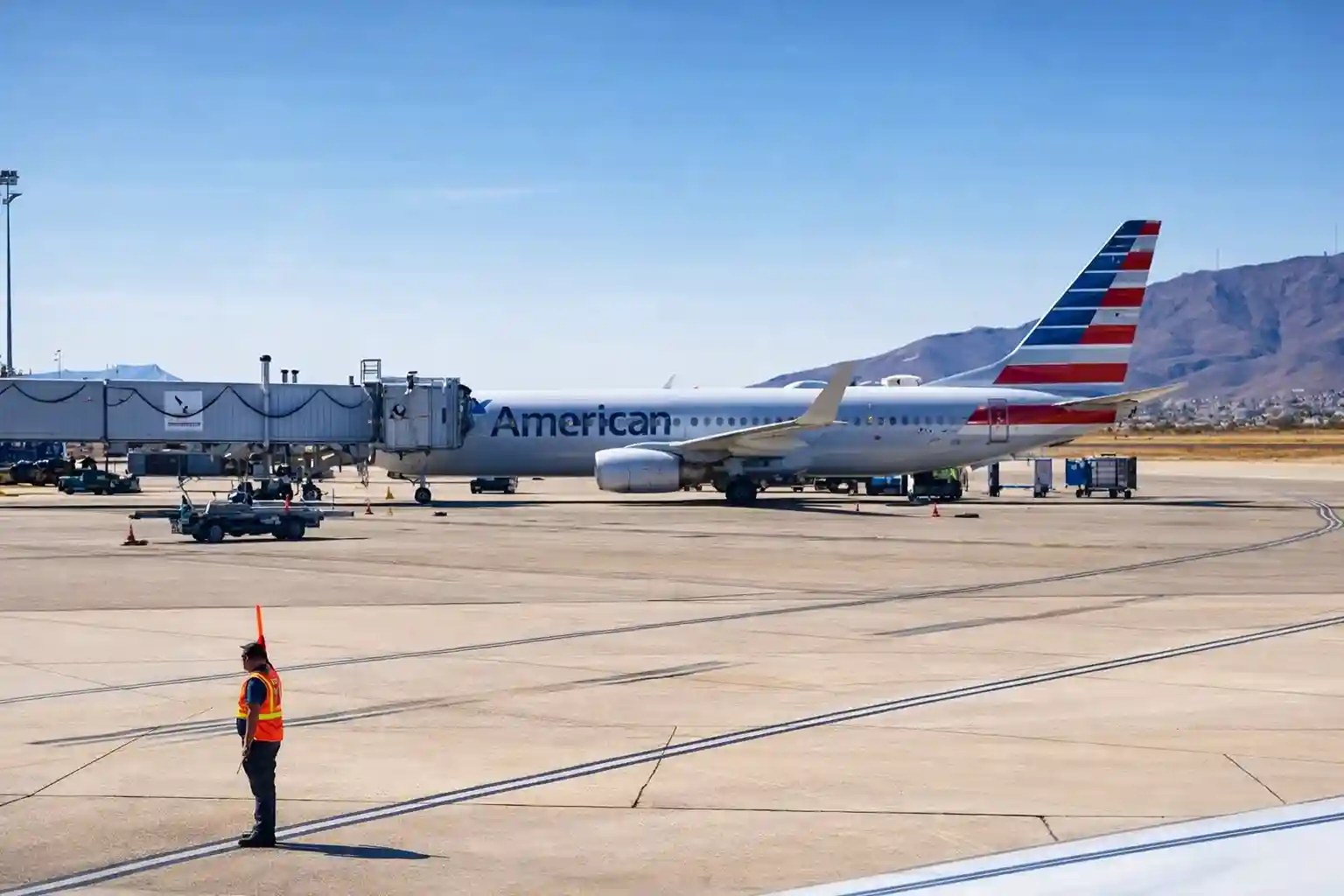
Almost no one was ready for the shocking news that the Federal Aviation Administration sent out late on Tuesday night, February 10, 2026. With a temporary flight restriction, they basically shut down all air traffic coming into and going out of El Paso International Airport and a large part of the airspace over southern New Mexico near Santa Teresa. The ban started at 11:30 p.m. Mountain Time and is set to end at 11:30 p.m. on February 20th, which is the end of the ten-day period. The federal government has to give permission for everything that takes off or lands in that area, including private pilots, commercial airplanes, and cargo flights.
The FAA's Notice to Air Missions (NOTAM) was very clear. It was called "National Defense Airspace," which is a very important name that isn't used very often. The notice says that pilots who don't follow the rules could be stopped by fighter jets, arrested, questioned by the police, or worse. There was even a stern warning that the U.S. government "may use deadly force against the airborne aircraft" if it thinks the plane is an immediate threat. That phrase brings back memories of the chaos that followed 9/11, when all U.S. airspace was closed off and planes had to land wherever they could. People in El Paso say they have never seen a major American city shut down for a long time during a time of peace.
The restricted area goes from the ground to 17,999 feet and is 10 nautical miles around El Paso and Fort Bliss. It also goes over parts of southern New Mexico west of Santa Teresa, but oddly, neither the Santa Teresa airport on the other side of the border nor Mexican airspace are affected. People are confused by the fact that El Paso is right on the border between the U.S. and Mexico, which is always busy with trade, travel, and security issues.
El Paso's international airport is a lifeline for people who live in eastern New Mexico and far West Texas. El Paso is the 23rd biggest city in the US. Most of the people who are stuck are thinking about taking long trips to Albuquerque, Midland, or even farther away to find the next available seat. Las Cruces, which is only 35 miles away, doesn't have many flights available. Early on Wednesday, airport officials said in a statement that they were caught off guard by the order and contacted the FAA for more information. They are still waiting for it. They told everyone to check with their carriers and told airlines to keep passengers up to date. Almost 70 flights were canceled right away, and the whole national flight network is being badly affected.
Why the Silence?
It's pretty scary that not much is being said about why this is happening. No one is giving any more information, but the FAA keeps saying "special security reasons" over and over again. The man who answered the phone when El Paso Matters called the FAA's Special Operations Support Center said, "I just publish what I've handed; I have no idea what's behind it." He only gave his first name, Eric. The same goes for leaders in the area. Congressman Joaquin Castro said he can't give a clear answer. State Representative Vincent Perez said that he had never heard of American airspace being closed for ten days unless there was a real emergency. Airport workers are saying that it has to do with security, but they aren't giving any details.
Travel Chaos and Speculation
Of course, there is a lot of guessing going on. Fort Bliss, one of the Army's biggest bases, is next to El Paso. It is a center for border operations and a place for air defense training. Some people wonder if it's related to more threats at the border, like information on drones, smuggling, or something even bigger. Some people say that the embargo seems like it's aimed at U.S. activities because it's happening in the middle of winter, when there isn't a clear natural disaster, and because it doesn't go through Mexican airspace. People often compare this time to after 9/11, when we last saw this level of "no-fly" severity, which included the use of deadly force.
Travelers are the ones who are hurting the most right now. People who have tickets are either waiting in line, renting cars, or changing their plans. Advisories flooded the airport's social media, and national media quickly picked up on it, pointing out that a ten-day complete shutdown is rare for a civilian gateway. Everything else is grounded unless the federal government says otherwise. This includes Medevac helicopters, police helicopters, and even some military flights that need special permission to fly.
As February 20 gets closer, the main question is still: why the radio silence, and what is so important that this kind of restriction needs to be enforced across a large city? The FAA's Special Operations line is the official number to call for more information, but not many people are picking up the phone. While the city waits, El Paso officials stay in touch in the hopes of getting news. In a city used to border tensions, this feels different, scarier, and less clear. The skies over El Paso are empty for now, as a quiet reminder that national security can suddenly and without warning change daily life.
Next article
TSA to Charge $45 for Non-REAL ID Flyers

David Rodriguez
David Rodriguez is a travel journalist and photographer who has explored all 50 states and over 60 countries. He specializes in adventure travel, cultural experiences, and sustainable tourism, offering readers insider tips and compelling destination stories.