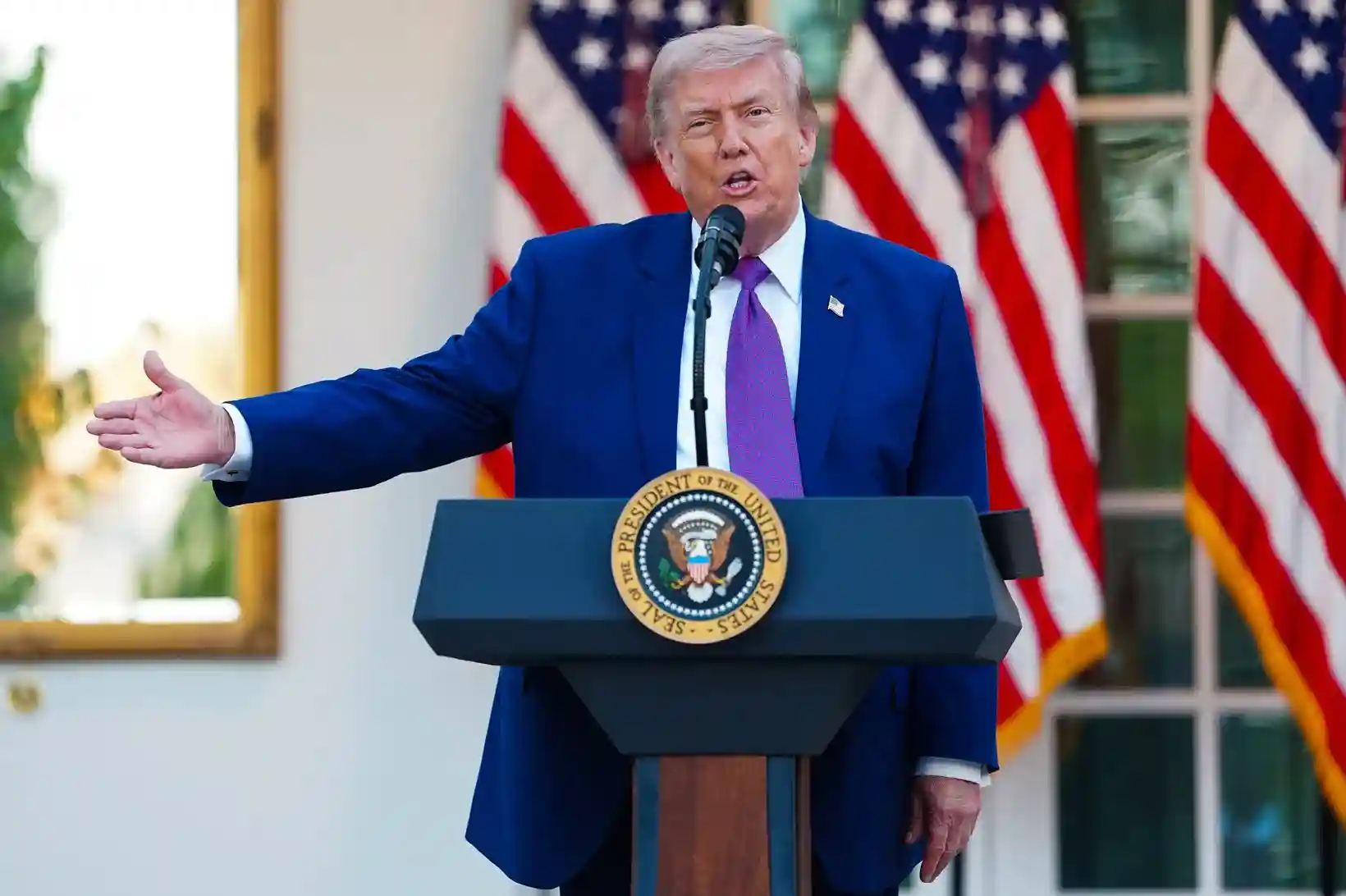
President Donald Trump says he's postponed a planned U.S. military strike on Iran. Why? His Gulf allies begged him to hold off and try diplomacy a little longer. The attack was set for Tuesday, Trump said, but it's "called off for now" while talks continue.
Trump told reporters that leaders from Saudi Arabia, the UAE, and Qatar personally pushed him to delay any military action. He described their requests as "very strong." They're convinced negotiations with Tehran might still work.
But make no mistake — Trump isn't backing down for good. He warned that the U.S. is still ready to launch a "full-scale assault" if talks collapse or Iran refuses to budge on its nuclear program and regional actions. "The clock is ticking," he said.
All this comes after weeks of rising tensions. The U.S., Israel, Iran, and Gulf countries have been trading blows. Shipping's been disrupted. Oil prices jumped. Everyone's afraid of a wider war in the Middle East.
Trump said he told Defense Secretary Pete Hegseth and Joint Chiefs Chairman Dan Caine to pause attack prep — but stay ready. If diplomacy fails, they can move fast.
Before calling off the strike, the White House looked over a new Iranian peace proposal. Their verdict? Not good enough. Major problems remain. So this isn't peace — just a pause.
U.S. officials say military plans are still active. Talks are continuing, but under a lot of pressure.
Saudi Arabia, Qatar, and the UAE didn't just suggest a delay — they pushed hard. Gulf leaders warned the White House that another big attack could unravel the whole region and hit critical energy sites. Their fear? Iran strikes back — at oil fields, desalination plants, airports, military bases. Some Gulf countries have already been hit by drones and missiles in this conflict. They don't want more.
Saudi and the UAE are especially nervous after previous attacks on energy facilities and tankers near the Strait of Hormuz. Another escalation, they said, could shake global energy markets and wreck their own economies. The Washington Post says Trump spoke directly with Gulf leaders before deciding to delay. Qatari, Saudi, and Emirati officials made the same point: keep talking to Tehran.
Al Jazeera reports that Gulf governments are trying to balance support for the U.S. with the need to avoid a bigger war. Many Arab nations are terrified of becoming direct targets if things get worse. There's also frustration behind the scenes. Some Gulf states are tired of the unpredictability and worried about long-term instability.
Still, they're not letting their guard down. Even while urging restraint, Gulf countries are boosting military coordination with Washington — more air defenses, more naval patrols. In the end, Gulf pressure became a major reason Trump paused the strike. It also showed just how scared allies are of a full-blown regional war.
Iran didn't blink. After Trump announced he'd called off the strike, leaders in Tehran brushed it off as American "public pressure." They said they won't give in to threats. Al Jazeera notes that Iranian officials are trying to look strong at home while quietly talking through regional middlemen. But they don't really trust that Washington wants a real deal.
The big sticking points? Iran's nuclear and missile programs, sanctions relief, and who controls key shipping lanes. The U.S. wants a long freeze on uranium enrichment and limits on Iran's military reach. Iran wants an end to military pressure, real security guarantees, sanctions lifted, and control over the Strait of Hormuz. So far, no middle ground. Both sides are threatening while talking. Trump says the U.S. is ready for a "large-scale assault." Iran promises a "crushing response" if attacked again.
Even with ceasefire talks, tensions haven't dropped. The past few weeks saw missile strikes, naval clashes, drone attacks, and U.S. hits on Iranian military sites. Each side blames the other for breaking earlier promises. Analysts say the whole thing is fragile. Neither Washington nor Tehran seems willing to give ground. Some think this pause just pushes the next round of fighting further down the road. So yes — diplomacy is alive, but barely.
Trump's choice to delay wasn't just about Gulf allies. Political pressure at home also played a role. Polls show Americans are getting nervous about rising gas prices and economic fallout from the Iran conflict. Reuters reports that U.S. military officials think Iran's offensive power has taken a real hit after months of fighting. CENTCOM commander Admiral Brad Cooper told Congress that Iran's strike ability is now "very moderate." Still, Iran can still cause chaos — disrupt shipping, launch missiles, hit U.S. allies. Pentagon officials are worried about the Strait of Hormuz and Gulf energy sites.
The Trump administration keeps saying its military campaigns against Iran have worked. But critics ask: what's the long-term plan? How does this end? Domestic pressure is building, too. Rising energy costs and Middle East instability are becoming hot topics ahead of elections and budget fights in Washington.
Former military leaders warn that another strike on Iran could spiral into a wider war. Some defense analysts say the U.S. would struggle to fully take out what's left of Iran's military without a longer, bigger fight. Even after delaying, Trump made one thing clear: the U.S. military is on high alert. Planners are still working on options — airstrikes, naval moves, broader regional responses. So at the end of the day, Trump's decision was a messy mix of diplomatic pressure, military reality, economic worries, and political calculations. He's trying to hold the line without setting off a regional wildfire.

Sarah Mitchell
Sarah Mitchell is an award-winning international correspondent with over 15 years of experience covering global affairs, diplomatic relations, and international conflicts. Based in Washington D.C., she has reported from over 40 countries and provides expert analysis on foreign policy and geopolitical developments.