In the ancient city of Kashan, where generations of families have built a global reputation for exquisite handwoven carpets, the looms have largely fallen silent. Walk through the industrial zones today, and you hear little more than the wind rattling corrugated metal doors. For more than five weeks, U.S. and Israeli airstrikes have hammered thousands of factories across Iran, and the damage is now sending shockwaves through every corner of the economy. Dairy producers cannot find simple packaging for milk and butter. Giant steel mills that once powered the nation’s industrial ambitions are idle. Hundreds of thousands of people have already lost their livelihoods, and experts warn that millions more are clinging to jobs that may soon vanish.
The human cost is rising by the day. According to Iran’s state-run media, Deputy Labor Minister Gholamhossein Mohammadi acknowledged that at least one million jobs have been destroyed directly because of the war. But independent economists say the real picture is far grimmer. Hadi Kahalzadeh, an Iranian economist and research fellow at Brandeis University, warns that the ripple effects now threaten between 10 million and 12 million positions — roughly half of Iran’s entire workforce. Those numbers are not abstract. In Kashan, the son of a rug manufacturer — who asked to remain anonymous for his family’s safety — described a sense of despair he has never seen in his father. “Never have I heard my father so upset,” he said. The family factory, which once cranked out hundreds of machine-made rugs each month with 20 to 30 employees, is now padlocked. His father still goes there every morning out of habit.
The airstrikes, which Israel claimed were aimed at military bases belonging to the Revolutionary Guard, have hit far beyond their stated targets. According to Kahalzadeh, roughly 20,000 factories have sustained damage — about one-fifth of all production units in the country. Among the hardest hit was Tofigh Daru, Iran’s largest pharmaceutical company, which manufactures cancer drugs and other vital medicines. Optical labs, chemical developers, aluminum smelters and cement plants have also been struck. But the most crippling blows landed against Iran’s steelmaking and petrochemical sectors. In a series of strikes just before the April 8 ceasefire, Israel targeted Mobarakeh Steel and Khuzestan Steel — the country’s two largest producers — alongside smaller mills, grinding production to a halt. More than 50 petrochemical complexes have been shut down, according to the semi-official Jamaran news agency. Since steel and petrochemicals are Iran’s biggest non-oil exports, the stoppage has sent prices soaring for everything from plastic pipes to synthetic fabrics and grocery packaging.
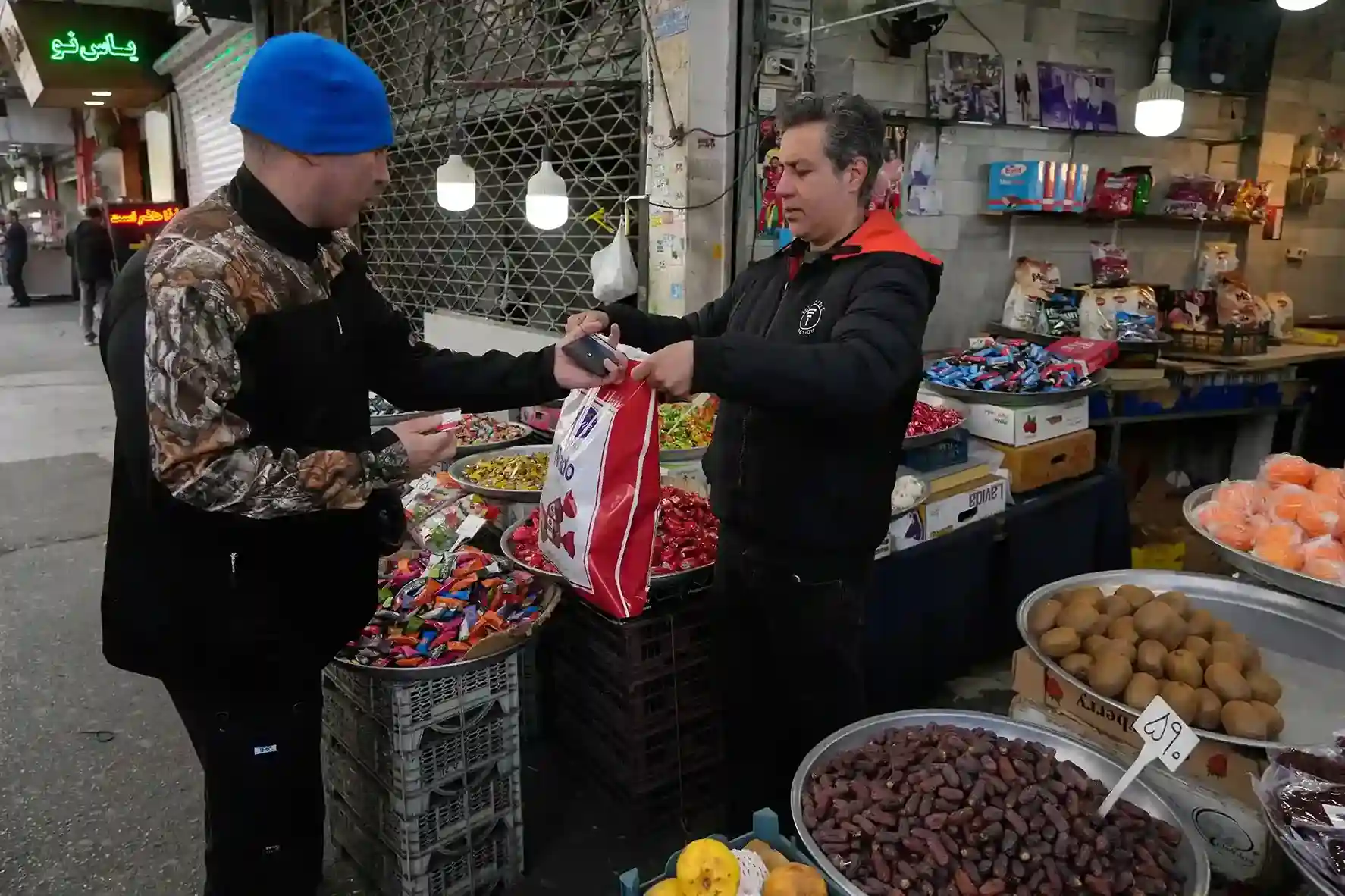
For ordinary Iranians, the pain is measured in food prices. Over the past month alone, the cost of chicken has shot up 75 percent. Beef and lamb now cost 68 percent more than they did before the strikes. Many dairy products have jumped by half. A Tehran resident, a former consulting engineer who quit his job just before the war, described his own precarious situation. He had another position lined up, but that offer has since been put on hold. “I am at the top one percent of society, and I am without a job,” he said, asking not to be named out of security concerns. “I am super worried about my future. People’s savings will start to run out in the coming weeks.”
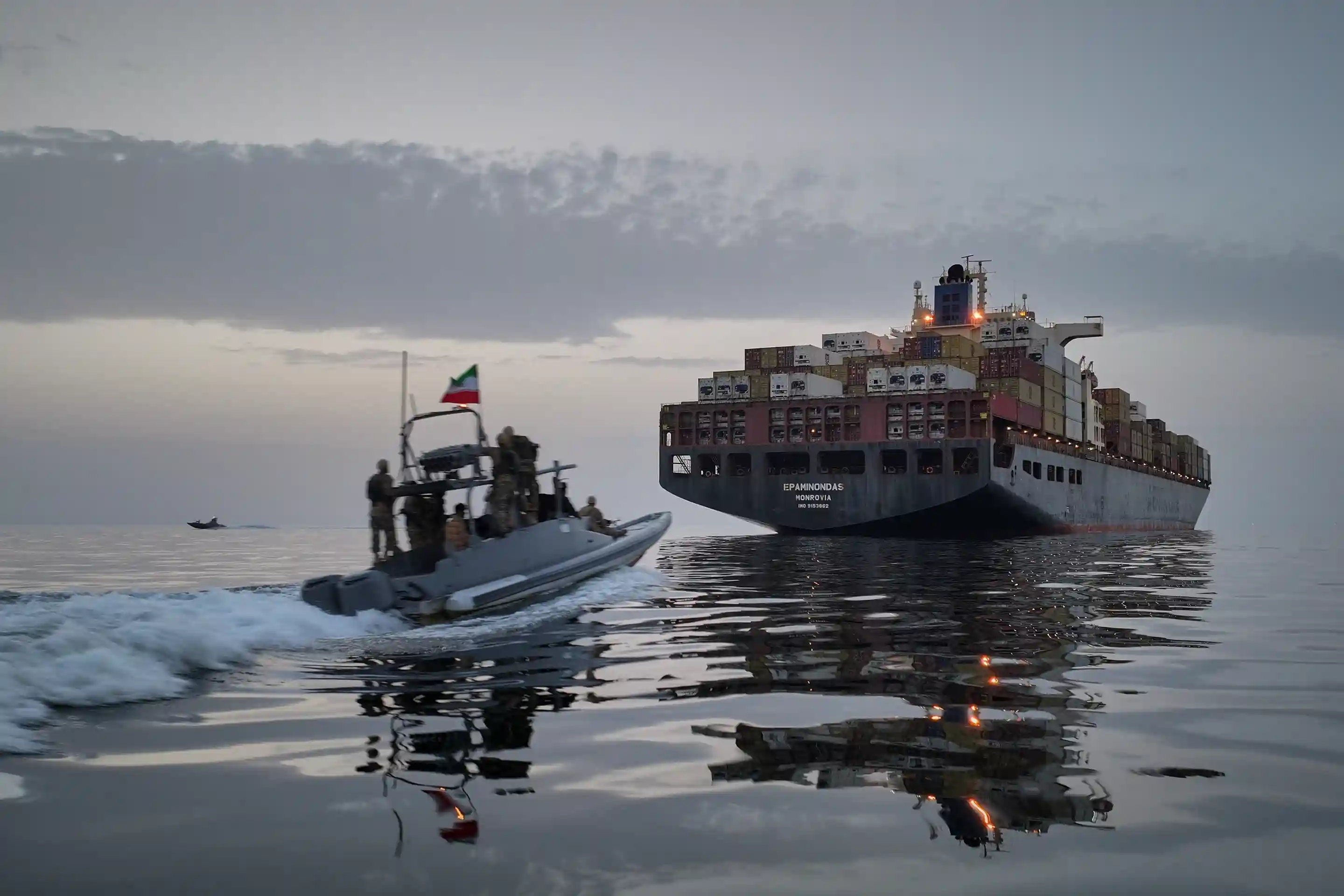
The crisis has been worsened by a near-total internet shutdown since the protests earlier this year, gutting small and medium-sized businesses that relied on online sales. And even before the current U.S. naval blockade of Iranian ports, Iran’s own missile strikes on the United Arab Emirates — a country that supplied roughly one-third of its imports — prompted the UAE to cut off trade entirely. Now, with U.S. warships choking off key shipping lanes, imports of everything from medicine to machinery have slowed to a trickle. Oil exports, which earned Iran nearly $50 billion in 2025 alone, are also being strangled.
Still, Iran’s leaders are refusing to flinch. They have their own weapon trained on the global economy: the Strait of Hormuz, a narrow waterway through which about 20 percent of the world’s oil passes. Iran has signaled that it will not reopen the strait for international energy shipments unless the blockade is lifted and the war ends. The bet in Tehran is that an economy forged under decades of sanctions — one built to endure scarcity and isolation — can outlast the political will of U.S. President Donald Trump. Officials have promised to expand unemployment insurance and distribute rationed supplies. According to economic expert Esfandyar Batmanghelidj, Iran has stockpiled enough electrical machinery for eight months, cement for nearly six months, and steel and iron for four months. That resilience, however, is being tested daily.
Mehdi Bostanchi, who owns two factories employing more than 1,130 people, said his ventilation and air conditioning business is still running, but barely. Construction, his main customer, has frozen nearly all new projects. The price of iron sheeting has more than doubled. “All of the country’s industries in some way rely on our petrochemical industry,” he said. Even companies not directly dependent on steel or plastics have contracts with those that are. One chemical engineer at a major private construction contractor said the firm laid off half of its 180 headquarters staff and had to abandon a project with Mobarakeh Steel, costing 1,000 jobs.
Back in Kashan, the carpet maker’s son summed up the mood. Exports have collapsed, domestic sales are almost zero, and the price of synthetic fibers — a petrochemical byproduct — has jumped up to 50 percent. “The rug industry is the heart of Kashan, and unfortunately, it’s been crippled,” he said. Whether Iran’s leaders blink first, or Trump does, may decide how many more families watch their own workshops fall silent.

Sarah Mitchell
Sarah Mitchell is an award-winning international correspondent with over 15 years of experience covering global affairs, diplomatic relations, and international conflicts. Based in Washington D.C., she has reported from over 40 countries and provides expert analysis on foreign policy and geopolitical developments.